GOODLUCK's Ultimate Guide: Golden Raisins vs Black Raisins – Unveiling the Superior Choice for Your Health and Palate
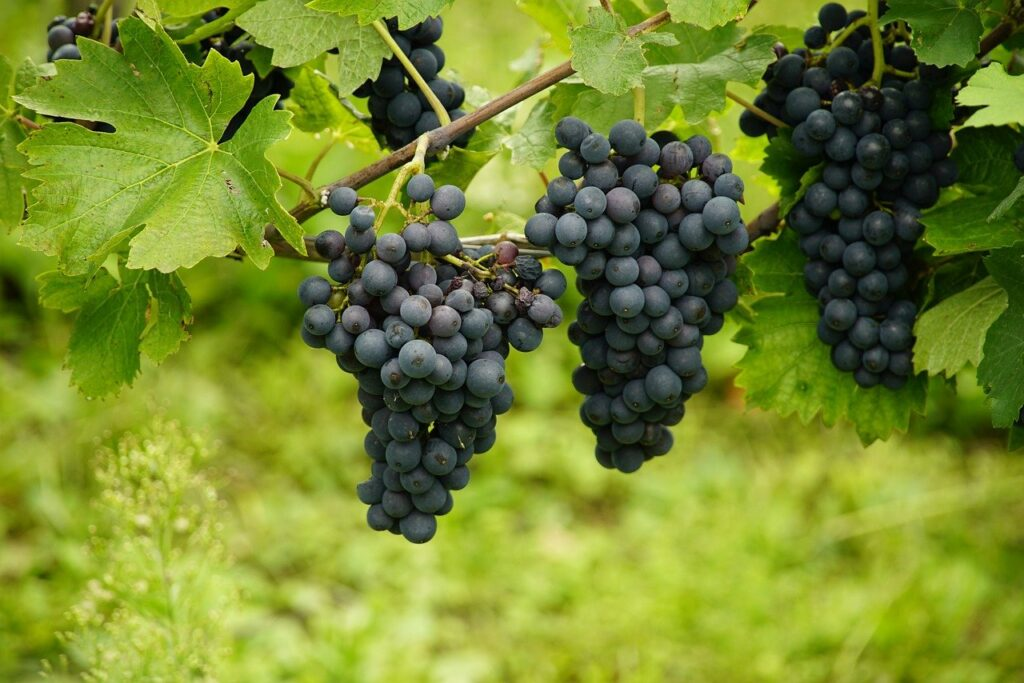
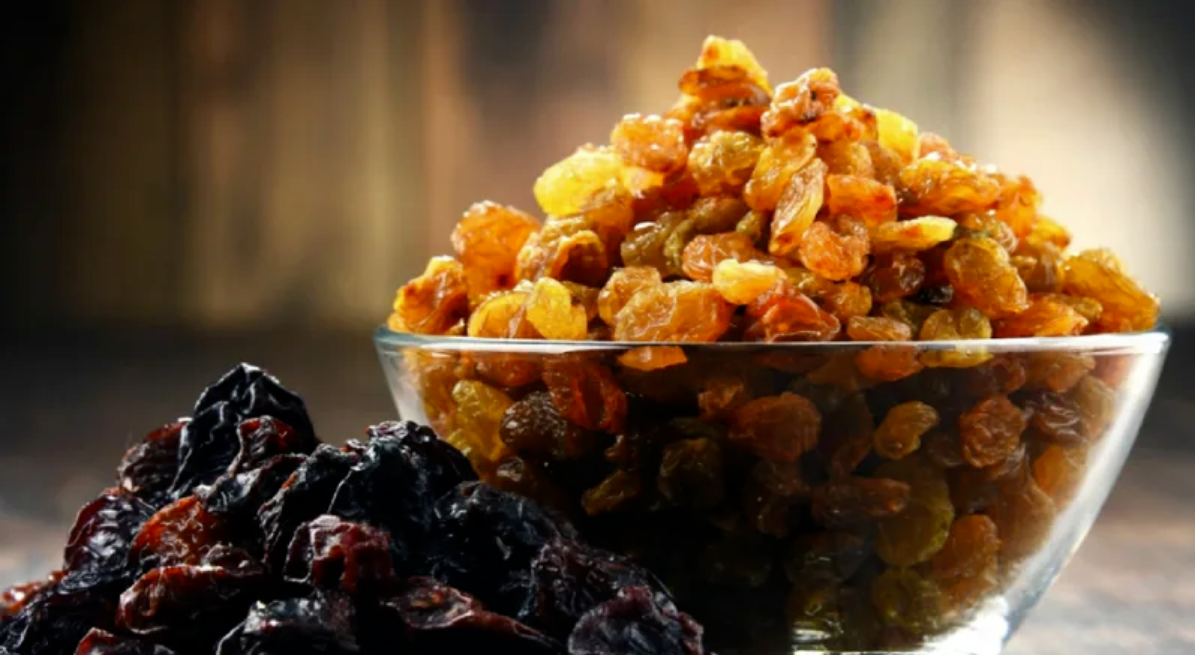
The humble raisin, a staple in pantries across the globe, is often taken for granted. Yet, within this concentrated parcel of dried grape goodness lies a fascinating dichotomy: the golden raisin and its darker counterpart, the black raisin. While both emerge from the same foundational fruit, their distinct processing methods, resulting in unique characteristics, culinary roles, and even subtle nutritional nuances, present a compelling choice for consumers. At GOODLUCK, we understand that discerning palates and health-conscious individuals seek precision in their dietary selections. Therefore, we embark on an exhaustive exploration, dissecting every facet of GOODLUCK Golden Raisins and GOODLUCK Black Raisins to empower you with the knowledge to make an unequivocally informed decision. The fundamental difference between golden and black raisins stems primarily from their method of drying and, in some cases, the specific grape varietal employed. This initial divergence sets the stage for their subsequent attributes. GOODLUCK Golden Raisins, often referred to as sultanas, typically originate from light-skinned grapes, predominantly the Thompson Seedless variety. What truly distinguishes them is their unique drying process. Unlike traditional sun-drying, golden raisins are typically dried indoors or in specialized dehydrators. Crucially, they undergo a treatment with sulfur dioxide (SO2) prior to drying. This chemical compound serves a dual purpose: it acts as a preservative, preventing spoilage, and, more significantly, inhibits the enzymatic browning that naturally occurs when fruits are exposed to air and sunlight. The controlled drying environment, often coupled with artificial heat and regulated humidity, further preserves their vibrant, pale-yellow to golden hue. This meticulous process results in a raisin that is generally plumper, softer, and possesses a more delicate, fruitier flavor profile. GOODLUCK Black Raisins, conversely, embrace a more traditional and time-honored drying method. While they can also be made from Thompson Seedless grapes, many varieties of dark-skinned grapes, such as Flame Seedless or Zante currants, are often utilized. The defining characteristic of black raisins is their natural drying process, typically under the direct warmth and intense light of the sun. As these grapes are exposed to sunlight and air, their natural enzymes react, causing the grapes to darken significantly, transforming from their original purple or reddish-black to a deep, intense black or dark brown. This sun-drying process concentrates their sugars and flavors, often resulting in a denser, chewier texture and a more robust, sometimes slightly caramelized or "wine-like" taste. While both forms of GOODLUCK raisins are nutritional powerhouses, offering concentrated goodness from grapes, there are subtle differences in their micronutrient profiles that warrant a closer look. Both golden and black raisins are calorie-dense due to their concentrated sugar content. A standard serving (approximately 1/4 cup or 40g) provides around 100-120 calories, predominantly from natural sugars (fructose and glucose). In essence, while both GOODLUCK varieties offer a robust nutritional profile, GOODLUCK Black Raisins may hold a slight advantage in certain mineral concentrations and anthocyanin content, while GOODLUCK Golden Raisins might retain a touch more Vitamin C. Beyond their nutritional composition, the sensory experience of GOODLUCK Golden and Black Raisins is distinctly different, influencing their preferred uses. Both GOODLUCK Golden and Black Raisins are not merely sweet treats; they are concentrated packages of beneficial nutrients. Dietary Fiber: Both types are excellent sources of dietary fiber, crucial for maintaining a healthy digestive system. Fiber adds bulk to stool, promoting regularity and acting as a prebiotic. Tartaric Acid: Combined with fiber, can have mild laxative properties. Natural Sugars: The high concentration of natural sugars provides a readily available and quick source of energy. Boron and Calcium: Raisins contain calcium and boron, which facilitates absorption and metabolism of calcium. Potassium: Regulates blood pressure by counteracting sodium. Fiber and Antioxidants: Help lower LDL cholesterol and combat oxidative stress. Both types are packed with powerful antioxidants that scavenge free radicals. The higher anthocyanin content in GOODLUCK Black Raisins may offer a particular advantage. Whether your preference leans toward the delicate sweetness of our GOODLUCK Golden Raisins or the rich, full-bodied flavor of our GOODLUCK Black Raisins, you can rely on the consistent quality that defines the GOODLUCK brand. We carefully select premium grapes and apply strict processing and quality control standards to ensure reliable taste, appearance, and performance across every batch. We invite you to explore the unique advantages of both varieties for baking, food manufacturing, retail, and bulk distribution. If your business is seeking a dependable wholesale raisin supplier with stable quality, flexible packaging options, and efficient bulk supply capabilities, contact GOODLUCK today to discuss your procurement requirements and request a tailored quotation.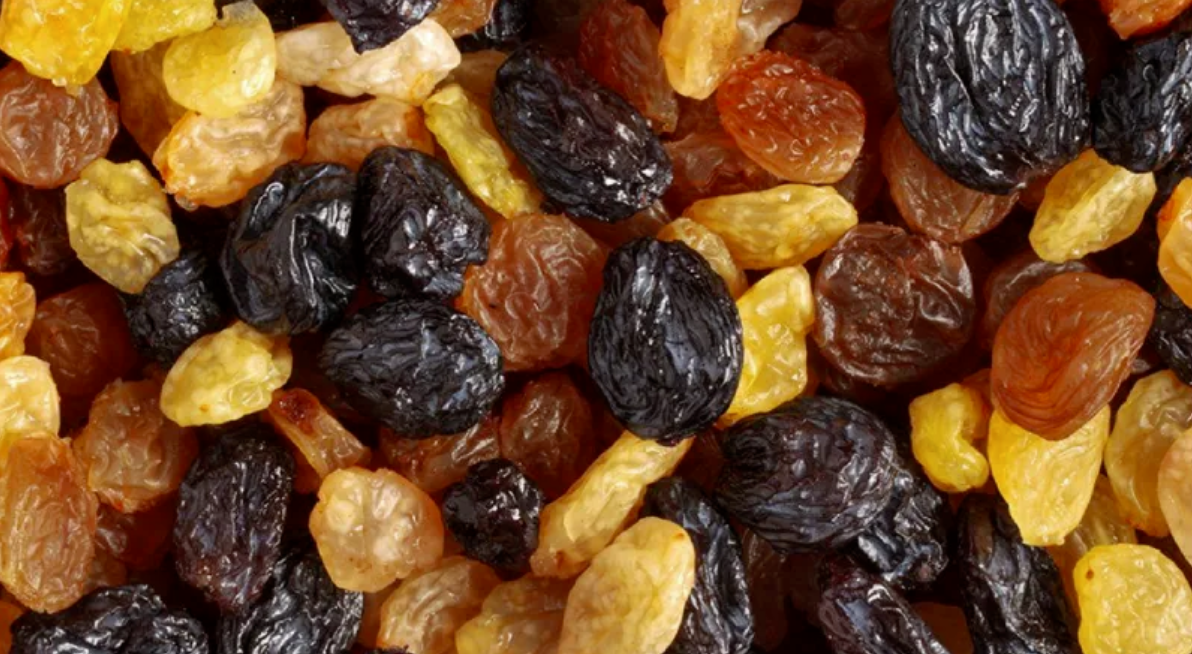
The Genesis of GOODLUCK Raisins: Understanding Their Origins and Processing
The Crafting of GOODLUCK Golden Raisins
The Traditional Excellence of GOODLUCK Black Raisins
A Nutritional Deep Dive: GOODLUCK Golden vs. Black Raisins
Caloric Content and Macronutrient Foundations
Vitamins and Minerals: Unpacking the Micronutrient Treasure Chest
Antioxidant Powerhouse: Battling Oxidative Stress
Flavor Profiles and Textural Nuances: The GOODLUCK Experience
The Delicate Charm of GOODLUCK Golden Raisins
The Robust Richness of GOODLUCK Black Raisins
Culinary Applications: Elevating Your Dishes with GOODLUCK Raisins
The Versatility of GOODLUCK Golden Raisins in Cuisine
The Robust Presence of GOODLUCK Black Raisins in Cuisine
Health Benefits Unveiled: The Wellness Power of GOODLUCK Raisins
Supporting Digestive Harmony
Sustaining Energy Levels
Fortifying Bone Health
Championing Cardiovascular Wellness
Providing Potent Antioxidant Protection
Making Your Informed Choice: Which GOODLUCK Raisin is Right for You?
The GOODLUCK Promise: Quality in Every Raisin