Pumpkin Seed Quality Standards Explained: A Buyer's Guide to Grades, Purity, and Moisture - GOODLUCK
As discerning buyers in a competitive global market, we understand that the purchase of pumpkin seeds transcends a simple commodity transaction. It is an investment in quality, a commitment to consistency, and a reflection of the standards upheld by your own brand. At GOODLUCK, we believe that true value lies not just in competitive pricing, but in an unwavering adherence to stringent quality parameters. This comprehensive guide is meticulously crafted to empower you with an unparalleled understanding of the pivotal factors—grades, purity, and moisture—that define premium pumpkin seeds, enabling you to make informed decisions that elevate your product offerings.
Understanding the Diverse Landscape of Premium Pumpkin Seed Varieties
Before delving into the intricacies of quality standards, it is imperative to acknowledge the foundational role played by the specific pumpkin seed variety. Different varieties possess distinct characteristics, influencing their optimal use and perceived quality benchmarks. The most prominent categories we encounter include:
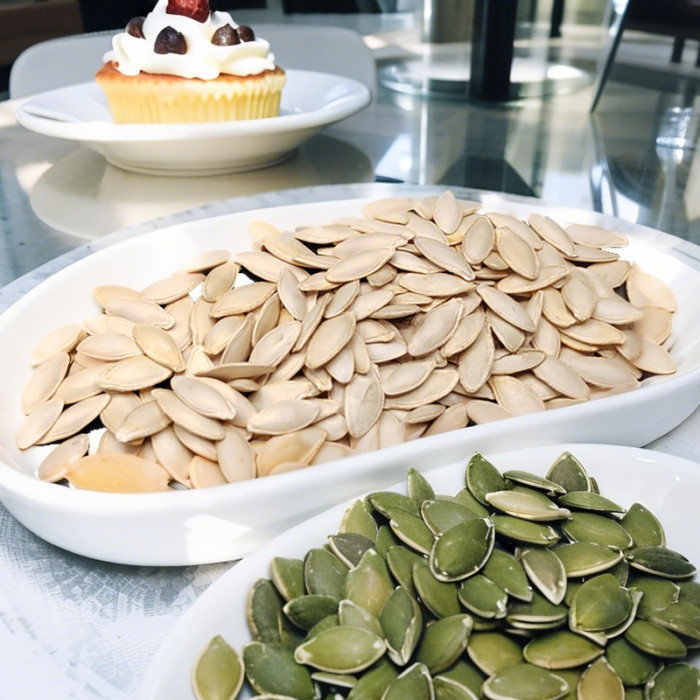
Styrian Pumpkin Seeds (Pepitas): Renowned for their hull-less nature, dark green color, rich nutty flavor, and substantial nutritional profile, Styrian seeds (originating from the Styrian region of Austria) are often considered the gold standard for premium applications. Their absence of a woody shell significantly impacts processing efficiency and consumer appeal, making them highly sought after for snacking, culinary uses, and oil production. The quality assessment for Styrian seeds rigorously scrutinizes color uniformity, minimal breakage, and consistent size.
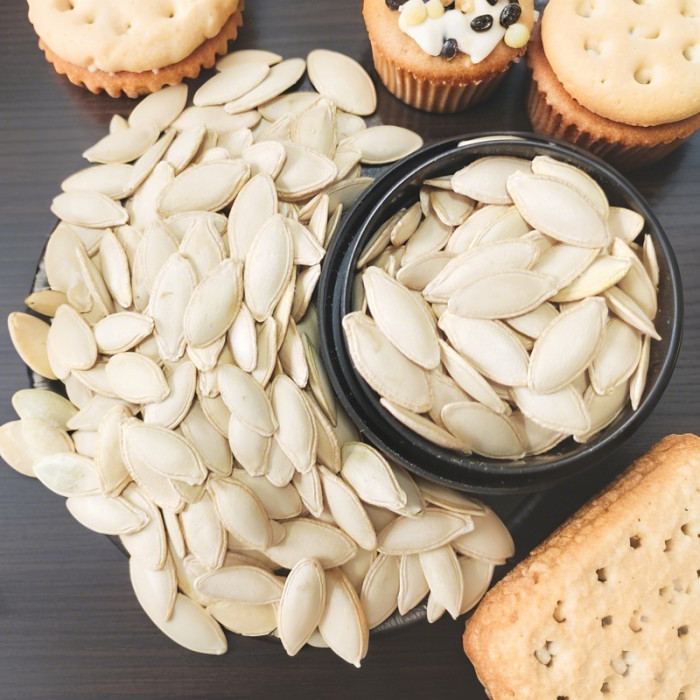
Shine Skin Pumpkin Seeds: These are traditional pumpkin seeds, typically white or off-white, characterized by a thin, edible outer hull. They are commonly harvested from specific pumpkin cultivars grown primarily in China and other regions. While requiring dehulling for many applications, their kernels offer a milder flavor profile and are widely used in baking, confectionery, and as a raw ingredient. Quality for Shine Skin seeds often focuses on the integrity of the shell, absence of significant discoloration, and the yield of intact kernels upon processing.
Lady Godiva and Naked Bear Seeds: These are other specific hull-less varieties, often bred for their unique characteristics, such as specific fatty acid profiles or robust growth in particular climates. Their quality attributes align closely with Styrian seeds, with an emphasis on kernel integrity, color, and flavor.
The chosen variety dictates the initial set of expectations for quality, forming the baseline against which all subsequent standards—grades, purity, and moisture—are applied. We at GOODLUCK source only the most suitable varieties for specific applications, ensuring that the inherent characteristics of the seed align with your precise requirements.
The Cornerstone of Excellence: Comprehensive Pumpkin Seed Grading Systems
The grading of pumpkin seeds is a sophisticated process that categorizes seeds based on a defined set of physical attributes. These systems provide a universal language for buyers and sellers, ensuring transparency and setting clear expectations for product consistency. While specific grading standards can vary slightly by country or regulatory body (e.g., USDA standards in the United States, or European regulations), the underlying principles remain remarkably consistent. Key factors that determine a pumpkin seed's grade include:
Size and Uniformity
One of the most immediate indicators of quality is the size of the kernels and their uniformity. Premium grades typically feature larger, more consistently sized seeds. This uniformity is not merely aesthetic; it significantly impacts processing efficiency, ensures even roasting, and contributes to a superior mouthfeel in end products. We meticulously screen our seeds to guarantee a narrow distribution of kernel sizes, often measured in kernels per ounce or by sieve analysis (e.g., seeds passing through a specific mesh size but retained by another). Variances in size can indicate inconsistent harvesting or processing, leading to inferior product batches.
Color and Appearance
The color of pumpkin seeds is a critical visual cue for freshness and quality. For hull-less varieties like Styrian, a deep, vibrant green is highly desirable, indicating optimal maturation and proper drying. Discoloration, such as yellowing, browning, or a dull greenish-grey hue, can signal oxidation, improper storage, or even fungal growth, all detrimental to quality. For shelled varieties, the shell should be uniformly white or off-white, free from dark spots or significant stains. The overall appearance should be bright and lively, not dull or aged. We implement rigorous visual inspections to ensure color consistency and adherence to optimal aesthetic benchmarks.
Absence of Defects and Damage
A high-grade pumpkin seed lot exhibits an extremely low percentage of defects and damage. This includes:
Broken Kernels: Fragments or pieces smaller than a defined threshold, which detract from appearance and can affect texture.
Shriveled or Immature Kernels: Seeds that did not fully develop, often lighter in weight and lacking the full flavor profile.
Discolored or Stained Seeds: As mentioned, these indicate potential issues with processing or spoilage.
Insect Damage: Evidence of insect activity, such as holes, tunneling, or the presence of insect fragments, is an absolute disqualifier for premium grades and poses a significant food safety risk.
Mechanical Damage: Cracks, chips, or abrasions caused during harvesting or processing, which can lead to increased oxidation and reduced shelf life.
Strict adherence to minimal defect percentages (e.g., typically less than 1-2% for premium grades) is paramount for ensuring a high-quality product that meets the exacting standards of our clientele.
Unveiling Purity: The Essence of a Premium Pumpkin Seed Lot
Purity in pumpkin seeds refers to the absence of extraneous materials. It is a fundamental aspect of quality that directly impacts food safety, flavor, and overall product integrity. Contamination can occur at various stages, from harvesting to packaging, making vigilant quality control essential.
Identifying and Mitigating Foreign Matter
The presence of foreign matter is a primary concern. This category encompasses anything that is not an intact pumpkin seed kernel. Common impurities include:
Stones and Pebbles: A significant hazard, capable of damaging processing equipment and posing a physical danger to consumers.
Stems, Leaves, and Plant Debris: Remnants from the pumpkin plant itself, indicating inadequate cleaning during harvesting or processing. While less hazardous than stones, they can introduce undesirable flavors or textures.
Other Seed Types: Seeds from weeds or other crops, which can alter the sensory profile and introduce allergens or unwanted compounds.
Shell Fragments: Pieces of the pumpkin seed hull in hull-less varieties, or excess hull in shelled varieties, indicating inefficient dehulling or cleaning processes. These can be sharp and unpleasant to consume.
Dust and Dirt: Fine particulate matter that can adhere to seeds, impacting cleanliness and potentially carrying microbial loads.
At GOODLUCK, we employ advanced cleaning technologies, including destoners, air separators, color sorters, and magnetic separators, to achieve exceptionally high purity levels. Our internal specifications typically demand purity levels exceeding 99.9%, with exhaustive testing to verify these metrics.
Testing Methodologies for Purity Assurance
Achieving and verifying high purity relies on meticulous testing protocols:
Visual Inspection: Trained personnel conduct macroscopic and microscopic examinations of samples to identify and quantify foreign matter.
Sieve Analysis: Using a series of sieves with varying mesh sizes to separate seeds from smaller or larger contaminants.
Specific Gravity Separation: Utilizing differences in density to separate lighter plant debris from heavier seeds or stones.
Color Sorting Technology: Advanced optical sorters can detect and remove discolored seeds and foreign materials based on their light reflectivity.
Metal Detection: Absolutely critical for ensuring the absence of metallic fragments that could have entered the product stream.
By implementing these multi-layered testing strategies, we ensure that every batch of GOODLUCK pumpkin seeds meets our uncompromising purity standards, safeguarding your brand reputation and consumer well-being.
The Critical Factor: Optimal Moisture Content in Pumpkin Seeds
Moisture content is arguably one of the most critical quality parameters for pumpkin seeds, directly influencing their shelf life, crunchiness, microbiological stability, and economic value. Improper moisture levels can lead to rapid degradation of the product.
The Imperative of Optimal Moisture Range
The ideal moisture content for pumpkin seeds typically falls within a narrow range, generally between 5% and 7% for raw seeds.
Moisture Too High (Above 7%):
Microbial Growth: Excessive moisture provides an ideal environment for the proliferation of mold, yeast, and bacteria, leading to spoilage, off-flavors, and the potential for mycotoxin production (e.g., aflatoxins).
Rancidity: High moisture accelerates enzymatic activity and oxidative rancidity of the healthy fats within the seed, resulting in unpleasant flavors and odors.
Reduced Shelf Life: The combination of microbial growth and rancidity significantly shortens the viable storage period of the seeds.
Weight Discrepancy: Buyers are essentially paying for excess water, impacting the actual yield of dry matter.
Clumping: Seeds can stick together, affecting flowability and processing.
Moisture Too Low (Below 5%):
Brittleness: Extremely dry seeds become excessively brittle, leading to increased breakage during handling, transport, and processing.
Loss of Flavor and Texture: Over-drying can cause a loss of the seed's characteristic nutty flavor and a desirable crunch, resulting in a dry, almost powdery texture.
Reduced Nutritional Value: While less common, extreme over-drying can potentially degrade some heat-sensitive nutrients.
Achieving and maintaining this delicate balance requires precise control during drying and storage. We at GOODLUCK utilize advanced drying technologies and climate-controlled storage to ensure our pumpkin seeds consistently remain within the optimal moisture range.
Accurate Testing Methodologies for Moisture Content
Reliable determination of moisture content is paramount. We employ several methods:
Oven Drying Method (Loss on Drying): This is the reference method, involving weighing a sample, drying it in a convection or vacuum oven at a specific temperature (e.g., 102°C for 3 hours or until constant weight), and then reweighing. The difference in weight represents the moisture content. This method, while accurate, is time-consuming.
Infrared Moisture Analyzers: These instruments provide rapid, non-destructive moisture readings by heating the sample with infrared radiation and continuously measuring weight loss. They are ideal for in-process quality control.
Moisture Meters (Dielectric Principle): Handheld or benchtop meters that measure the electrical capacitance or resistance of the seeds, which correlates with moisture content. These are quick but require calibration against reference methods.
Through a combination of these precise measurement techniques, we guarantee that the moisture content of GOODLUCK pumpkin seeds is meticulously controlled, preserving their freshness, crunch, and extending their shelf life.
Beyond the Basics: Advanced Quality Parameters for Ultimate Assurance
While grades, purity, and moisture form the bedrock of pumpkin seed quality, a comprehensive quality program extends far beyond these fundamental aspects to encompass critical food safety and sensory attributes.
Food Safety: Mycotoxin and Microbiological Standards
The health and safety of consumers are non-negotiable. Therefore, we rigorously test for potential contaminants that could pose risks:
Aflatoxins and Mycotoxins: These are toxic secondary metabolites produced by certain molds (e.g., Aspergillus flavus) that can grow on crops under specific conditions. Aflatoxins, in particular, are potent carcinogens. We conduct stringent testing (e.g., ELISA, HPLC) to ensure that our pumpkin seeds meet or exceed global regulatory limits (e.g., EU regulations, FDA guidelines) for aflatoxin B1, B2, G1, and G2. Our preventative measures include proper drying, storage, and vigilant inspection of raw materials.
Microbiological Standards: We routinely test for a range of microbial indicators to ensure food safety:
Salmonella: A major foodborne pathogen; its absence is absolutely critical.
E. coli (specifically E. coli O157:H7): An indicator of fecal contamination and a serious pathogen.
Total Plate Count (TPC): Measures the overall bacterial population, indicating general hygienic conditions.
Yeast and Mold Count: Provides insight into potential spoilage organisms and storage conditions.
These tests are conducted by accredited third-party laboratories to provide unbiased and reliable results.
Sensory Evaluation: A Taste of Excellence
The ultimate test of a premium pumpkin seed lies in its sensory attributes. Our experienced quality control team conducts thorough sensory evaluations for:
Taste: A rich, nutty, slightly sweet flavor characteristic of fresh pumpkin seeds. Absence of bitterness, sourness, or stale notes.
Aroma: A clean, fresh, characteristic aroma, free from musty, rancid, or chemical odors.
Texture: A firm, satisfying crunch, not overly hard, brittle, or chewy.
Sensory analysis ensures that the organoleptic profile of our seeds consistently meets the high expectations of our customers and their end consumers.
Nutritional Profile Consistency
While not a grading parameter in the traditional sense, the consistency of the nutritional profile is vital for many applications, especially in health-focused products. We understand that pumpkin seeds are valued for their protein, healthy fats (omega-3 and omega-6), dietary fiber, and a range of minerals (magnesium, zinc, iron) and vitamins. While natural variations exist, we ensure that our sourcing and processing methods preserve these valuable nutrients, providing a consistent and wholesome ingredient.
The GOODLUCK Difference: Ensuring Uncompromising Quality for Buyers
At GOODLUCK, our commitment to delivering superior pumpkin seed quality is ingrained in every facet of our operations. We do not merely meet industry standards; we strive to exceed them, establishing new benchmarks for excellence. Our comprehensive quality assurance program is built upon several pillars:
Strategic Sourcing: We establish long-term relationships with trusted growers who adhere to sustainable farming practices and stringent post-harvest handling protocols. Our sourcing team conducts regular on-site audits to verify compliance and quality from the very origin. We prioritize regions known for producing specific high-quality varieties, such as the Styrian region for premium hull-less seeds.
State-of-the-Art Processing Facilities: Our processing plants are equipped with the latest cleaning, sorting, and drying technologies. This includes advanced optical sorters capable of detecting minute defects and foreign materials, destoners, metal detectors, and precise moisture control systems. These technologies minimize human error and maximize efficiency in achieving impeccable purity and consistency.
Rigorous Multi-Stage Quality Control: Every batch of pumpkin seeds undergoes a series of meticulous inspections and tests at multiple critical control points, from raw material receipt to final packaging. Our trained quality technicians perform visual inspections, physical analyses (size, uniformity, defects), and conduct instrumental tests for moisture, purity, and foreign matter.
Independent Third-Party Laboratory Testing: For critical food safety parameters such as mycotoxins (aflatoxins) and microbiological contaminants (Salmonella, E. coli), we partner with ISO 17025-accredited independent laboratories. This provides an unbiased verification of our internal controls and assures compliance with international food safety regulations. Every shipment is accompanied by a Certificate of Analysis (COA) detailing these results.
Traceability and Transparency: We maintain complete traceability for all our pumpkin seed lots, from the field to your facility. This meticulous record-keeping allows us to quickly identify and address any issues, providing unparalleled transparency and accountability. You can be confident in the origin and journey of every seed.
Customized Specifications: We understand that different buyers have unique requirements. We work closely with our clients to develop and meet bespoke specifications, ensuring that the pumpkin seeds we supply are perfectly aligned with your product development and manufacturing needs.
Our dedication to these principles ensures that when you choose GOODLUCK, you are choosing a partner dedicated to delivering pumpkin seeds of the highest possible quality, consistency, and safety.
Navigating the Market: A Buyer's Strategic Checklist for Premium Pumpkin Seeds
Making an informed purchase of bulk pumpkin seeds requires diligence and a clear understanding of your requirements. We recommend the following strategic checklist for every buyer:
Define Your Specifications: Clearly outline your desired grade (e.g., minimum kernel size, maximum defect percentage), required purity level (e.g., <0.01% foreign matter), and optimal moisture content. Be specific about the variety you need (e.g., Styrian, Shine Skin).
Request a Certificate of Analysis (COA): Always demand a comprehensive COA for each lot from your supplier. This document should detail key quality parameters, including moisture content, purity (foreign matter percentage), specific defect levels (e.g., broken kernels, shriveled seeds), and crucial food safety results (aflatoxins, microbiological counts). Ensure the COA is from an accredited third-party lab where applicable.
Ask for Samples: Before committing to a large order, request representative samples from the specific lot you intend to purchase. Conduct your own internal quality checks, including visual inspection, taste testing, and potentially laboratory analysis, to confirm they meet your expectations.
Inquire About Sourcing and Processing: Understand where the seeds originate from, the harvesting methods, and the processing techniques used (e.g., cleaning, drying, sorting technologies). A transparent supplier will be happy to provide this information.
Assess Supplier’s Quality Assurance Program: Ask about the supplier's internal quality control protocols, food safety certifications (e.g., HACCP, ISO 22000, BRCGS, FSSC 22000), and traceability systems. A robust QA program is indicative of a reliable partner.
Verify Packaging and Storage: Ensure that the packaging is appropriate for preserving quality (e.g., multi-ply bags, vacuum-sealed options) and that the supplier’s storage conditions (temperature, humidity controlled) are optimal to prevent degradation.
Consider Long-Term Partnership: Look for a supplier who demonstrates consistency, reliability, and a proactive approach to quality. A strong partnership built on trust and shared quality values will benefit your operations in the long run.
By meticulously following this checklist, you can confidently navigate the complexities of the pumpkin seed market and secure a product that consistently upholds the highest standards.
Conclusion: Elevating Your Product with Informed Pumpkin Seed Procurement
The journey to sourcing premium pumpkin seeds is multifaceted, extending far beyond superficial assessments. It necessitates a profound understanding of grades, stringent purity requirements, and the critical balance of moisture content, alongside crucial food safety and sensory attributes. At GOODLUCK, we are not merely suppliers; we are dedicated partners committed to empowering your purchasing decisions with unparalleled expertise and unwavering product integrity.
We meticulously oversee every stage, from the strategic selection of specific pumpkin seed varieties to their advanced processing and rigorous, multi-tiered quality verification. Our commitment ensures that every kernel of GOODLUCK pumpkin seeds embodies the pinnacle of quality, delivering the consistent flavor, texture, and nutritional value your discerning customers expect.
By using the insights in this guide and partnering with GOODLUCK, you gain more than a reliable pumpkin seed supplier—you gain a trusted sourcing partner committed to consistent quality, food safety, and dependable supply. Whether you need bulk pumpkin seeds, custom packaging, or OEM/private label solutions, our team is ready to support your business. Contact GOODLUCK today to discuss your sourcing requirements and request a customized quote for your next wholesale pumpkin seed order.
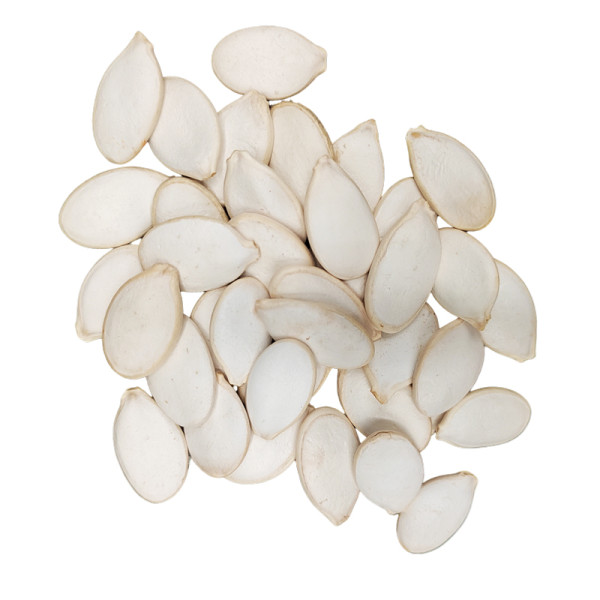
Edible Snow White Pumpkin Seeds are pure white healthy delicious nutritious snack perfect for wholesale suppliers.
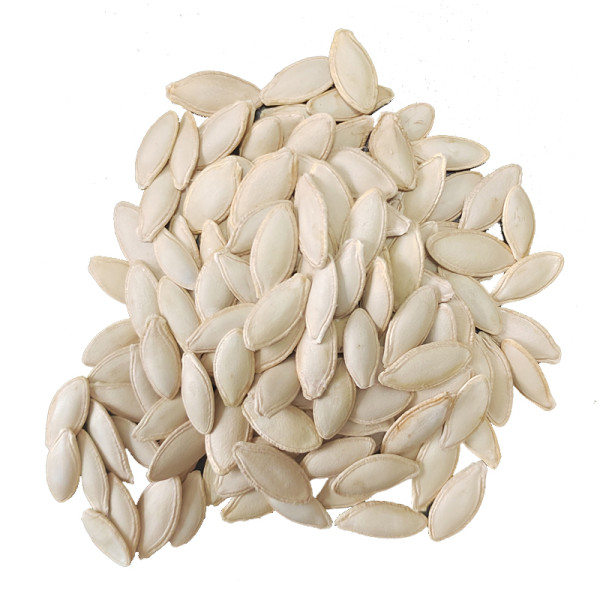
Discover Edible Lady Nail Pumpkin Seeds, premium quality, rich in protein & fiber, Bulk wholesale options for B2B clients.
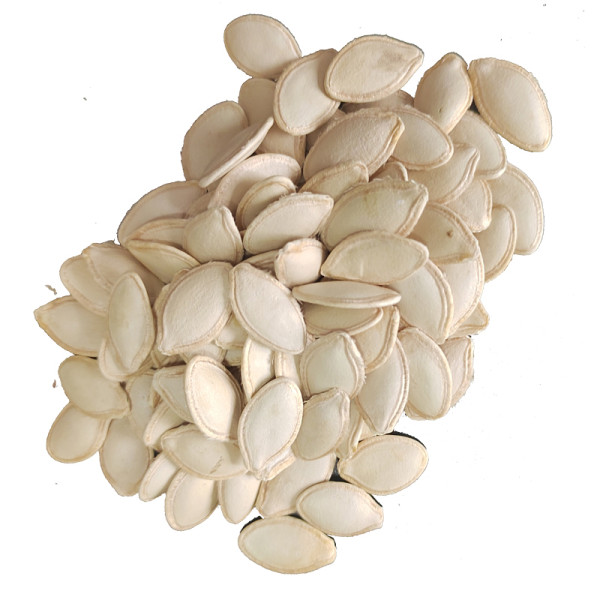
Edible Shine Skin Pumpkin Seeds: Premium, Nutritious Snacks | Wholesale Supplier | Healthy Eating | B2B Bulk Purchase.