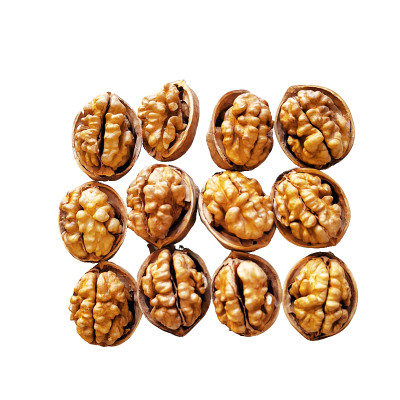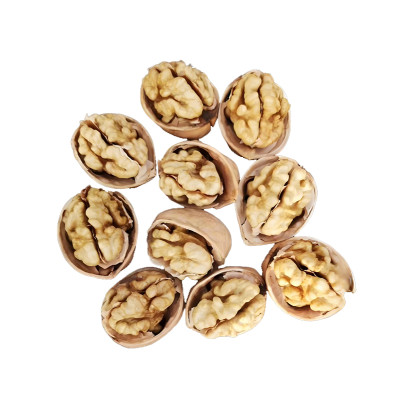
What You Need to Know About Sourcing Factory Manufacture Quality Walnuts For Sale: Mastering B2B Trade and Product Standards
In the world of business, sourcing the right ingredients is fundamental to success. We all need products that meet high, consistent standards, and that's precisely why a deep understanding of procurement is non-negotiable. When we talk about 'Factory Manufacture Quality Walnuts For Sale', we're not just discussing a simple nut. We are delving into the entire value chain—from the farm to the factory—and exploring how every step impacts the final quality of the product that reaches your business.
This guide is your roadmap to mastering the B2B trade of walnuts. I'll walk you through the intricacies of product standards, help you identify what truly defines quality, and show you how to cultivate strong, lasting relationships with suppliers. Building these partnerships is about more than just transactions; it's about creating a foundation of trust and mutual success. By the end, you'll be equipped with the knowledge to source top-notch walnuts confidently and consistently, setting your business apart from the competition.
Identifying What Truly Defines Factory Manufacture Quality Walnuts For Sale
The term 'quality' can be subjective, but in the B2B walnut industry, it's defined by a concrete set of standards and specifications. For a professional buyer, understanding these criteria is the first step toward sourcing a product that meets your manufacturing or retail needs. It's about moving beyond a simple visual check and developing a nuanced understanding of what makes a walnut superior.
This process begins with knowing the official grading systems and ends with recognizing how processing methods influence the final taste and texture. Because walnuts are a natural product, variations are inevitable, but a factory committed to quality will have processes in place to ensure consistency. As a buyer, your job is to identify those suppliers who can deliver on this promise every time.
Understanding Walnut Grades and Specifications I Look For
When I begin evaluating a potential walnut supply, my assessment is grounded in established industry metrics. Walnut trading isn't a free-for-all; it's a structured market where quality is graded and priced accordingly. This grading directly impacts everything from pricing and usability to final customer satisfaction. A thorough understanding of these grades is essential for any serious buyer.
My goal is to match the product to my specific needs, whether it's for baking, confectionery, or retail packaging. This requires a detailed examination of the product's physical attributes and a confirmation that it meets both my internal standards and recognized international benchmarks.
My Checks for Size, Color, and Kernel Integrity
When a sample of walnuts arrives, my inspection process is methodical. The key attributes I scrutinize are size, color, and kernel integrity, as these are direct indicators of quality and are explicitly tied to grading standards like those from the USDA.
First, Size Uniformity: Buyers always consider the quality of walnuts based on their size and uniformity. Whether I'm sourcing halves, pieces, or a combination, the product must be consistent. Uniformity is crucial for many food manufacturing processes, ensuring even roasting and a consistent texture in the final product. For example, walnut pieces should ideally be uniform in size, often between 0.5 to 1 inch, to ensure they cook and process evenly.
Second, Color: The color of the kernel is a primary grading factor. USDA grades for shelled walnuts explicitly tie the grade to color classifications such as 'extra light,' 'light,' 'light amber,' and 'amber'. Lighter-colored kernels are generally more desirable and command a higher price as they are perceived to have a milder, less bitter flavor. My check involves comparing the shipment to standard color charts to ensure it falls within the agreed-upon specification.
Third, Kernel Integrity: For shelled walnuts, the percentage of whole halves versus broken pieces is a critical quality metric. My checklist includes assessing the shipment for:
- Absence of foreign materials: Shell fragments, orchard debris, or other contaminants.
- Low percentage of defects: This includes shriveled, discolored, or damaged kernels.
- Minimal breakage: If I'm paying for halves, I expect a high percentage of intact halves, reflecting careful shelling and handling.
This detailed physical check is non-negotiable. It's the first line of defense in ensuring the quality I pay for is the quality I receive.
Recognizing Industry Standards for Factory Manufactured Quality Walnuts
Beyond my physical checks, I always verify that the walnuts adhere to recognized industry standards. This provides an objective benchmark for quality and safety. The primary standards in the global walnut trade are set by bodies like the United Nations Economic Commission for Europe (UNECE), which establishes criteria for sizing, color, and defect tolerances.
Furthermore, importing walnuts requires adherence to structured sourcing, consistent quality grading, and food safety compliance. Professional buyers must manage factors like moisture control and aflatoxin risk, which are regulated in most markets. A reputable supplier will be well-versed in these standards and will be able to provide documentation to prove compliance. For businesses like ours, which have earned international certifications like HALAL, BRC, and HACCP, aligning with suppliers who understand and respect these global standards is not just a preference—it's a necessity. This commitment to documented, verifiable quality has been a cornerstone of our success in discerning markets across the Middle East and Europe.
The Impact of Processing on the Quality of Walnuts
The journey of a walnut from the orchard to your facility involves several critical processing steps, each holding the potential to either preserve or degrade its quality. A top-tier factory understands that how a walnut is handled post-harvest is just as important as how it was grown. The process of bringing quality walnuts to the table is a meticulously managed journey.
From the moment the nuts are shaken from the trees, collected, cleaned, and dried, every action influences the final product's freshness, taste, and shelf life. As a buyer, gaining insight into a supplier's processing methods is crucial for predicting the quality and consistency of their walnuts.
How Shelling and Drying Methods Affect Freshness and Taste
The two most critical post-harvest processes are shelling and drying. Their execution has a profound impact on the final product.
Drying: Proper drying, or moisture control, is perhaps the single most important step in preventing spoilage. Excess moisture is the enemy of freshness, creating a breeding ground for mold and the formation of aflatoxins, which are harmful compounds that can compromise food safety. The ideal moisture content for walnuts is carefully controlled to ensure a long shelf life without making the kernels overly brittle. A factory with modern, well-ventilated drying facilities demonstrates a commitment to quality.
Shelling: The goal of shelling is to remove the hard outer shell while keeping the delicate kernel intact. The technique used matters immensely. Aggressive, purely mechanical shelling can lead to a high percentage of broken pieces and bruised kernels, which can accelerate rancidity. Advanced factories often use more sophisticated methods that might involve a combination of mechanical cracking and optical sorting to gently separate the kernel from the shell, thus maximizing the yield of valuable, intact halves. The difference between a carefully shelled walnut and a poorly processed one is immediately apparent in its taste and integrity.
Avoiding Common Defects in Factory Manufacture Quality Walnuts For Sale
A significant part of quality control is defect avoidance. While some defects originate in the orchard, many are the result of improper processing and storage. Here are some common defects I watch for:
- Rancidity: Walnuts are high in unsaturated fats, which makes them prone to oxidation and rancidity if exposed to heat, light, or oxygen for extended periods. This results in a bitter, unpleasant taste. Proper drying and packaging, such as vacuum-sealing or nitrogen-flushing, are key preventative measures.
- Insect Damage: Evidence of insect activity is an immediate red flag. Reputable processors have stringent pest control measures in place, from the orchard to the packaging line.
- Mold: As mentioned, this is often a result of inadequate drying or improper storage conditions. A musty smell or any visible mold means the entire batch could be compromised.
- Mechanical Damage: This includes broken or chipped kernels resulting from rough handling during shelling and sorting. While some breakage is inevitable, an excessively high percentage points to a careless process.
A supplier's ability to consistently minimize these defects is a clear hallmark of "factory manufacture quality." It speaks to their investment in technology, processes, and training—all of which are essential for delivering a superior product.

My Strategy for Sourcing Reputable Providers of Factory Manufacture Quality Walnuts For Sale
Finding the right supplier is a strategic process that blends research, a critical evaluation of credentials, and a healthy dose of industry networking. The goal is to move beyond a simple transactional relationship and build a genuine partnership with a provider who is as committed to quality as you are. A reliable supplier is the backbone of a consistent and safe food supply chain.
My strategy involves a two-pronged approach: first, casting a wide net to identify potential partners, and second, applying a rigorous vetting process to narrow the field to only the most qualified and trustworthy factories. This ensures that every potential supplier is judged against a consistent set of high standards.
Where I Begin My Search for Reliable Factories
The search for a new supplier begins with targeted exploration. In today's interconnected world, there are numerous channels available to identify factories that specialize in high-quality walnuts. I leverage a mix of digital tools and traditional industry engagement to create a comprehensive list of potential partners.
This initial phase is about discovery. I am looking for companies with an established presence, a professional footprint, and initial indicators of quality and reliability. It's about gathering intelligence and creating a long list from which I can later shortlist the most promising candidates.
Online Platforms and Trade Directories I Use
The internet has revolutionized B2B sourcing. My first stop is often trusted online platforms and trade directories. These platforms are invaluable for a few key reasons: they provide access to a global pool of suppliers, they often feature customer reviews or ratings, and they make it easy to see a company’s product range and basic credentials at a glance.
I focus on reputable B2B marketplaces that vet their members and industry-specific directories. When reviewing a company's online presence, I look for professionalism: a well-maintained website, detailed product specifications, and clear contact information. Many B2B sellers use their websites and e-commerce platforms to reach customers, and the quality of this presence can be telling. These digital footprints serve as an initial screening tool; companies that invest in their online presence are often more serious about their business and client relationships.
The Value of Industry Trade Shows and Referrals
While online platforms are excellent for initial discovery, nothing replaces the value of face-to-face interaction and trusted recommendations. Industry trade shows are a cornerstone of my sourcing strategy. They offer a unique opportunity to meet with dozens of suppliers in one place, see and sample their products firsthand, and speak directly with the people behind the company.
Moreover, trade shows are where you can gauge a company's standing in the industry. A well-designed booth and knowledgeable staff indicate a commitment to their brand and a level of professionalism.
Referrals are equally powerful. I actively network with other professionals in the food industry. A recommendation from a trusted contact who has had a positive experience with a walnut supplier is often the most reliable lead you can get. These referrals shortcut the vetting process because they come with a pre-existing layer of trust.
What I Examine in a Potential Supplier's Credentials
Once I have a shortlist of potential suppliers, the deep-dive vetting process begins. This is where I move beyond marketing materials and scrutinize the hard evidence of a supplier's quality and reliability. In the B2B world, especially in food manufacturing, credentials are not just "nice to have"; they are essential.
The goal is to verify that a potential partner has the systems, certifications, and experience to meet my business's stringent requirements. This diligence is crucial for mitigating risk and ensuring a stable, long-term supply chain.
Certifications and Compliance for Food Safety and Quality
The first thing I ask for is proof of certification. In the food industry, certifications are the most reliable way to verify a supplier's commitment to food safety and quality management. They demonstrate that a third-party body has audited the supplier's processes and found them to be in compliance with global standards.
The key certifications I look for include:
- BRC (British Retail Consortium) and HACCP (Hazard Analysis and Critical Control Points): These are globally recognized standards for food safety management. They show that the factory has a systematic approach to identifying and controlling potential hazards.
- GFSI (Global Food Safety Initiative): This is a benchmark for food safety standards, and certification to a GFSI-recognized scheme is often a prerequisite for doing business with major retailers and manufacturers.
- Organic Certifications (e.g., USDA Organic, EU Organic): If sourcing organic walnuts, it's crucial to verify the supplier's organic certificates are valid and from a reputable body.
- Social and Ethical Audits (e.g., Sedex, SMETA): These demonstrate a commitment to ethical labor practices and corporate social responsibility.
As a company that proudly holds HALAL, BRC, and HACCP certifications, we understand the rigor involved in obtaining and maintaining these credentials. We naturally gravitate towards partners who share this commitment, as it streamlines compliance and builds a foundation of shared values.
Reviewing Their Production Capacity and Experience with Factory Manufacture Quality Walnuts
Beyond certifications, I need to be confident that a supplier has the operational capabilities to meet my demand. I investigate their production capacity by asking about their annual tonnage, the number of production lines they operate, and their typical lead times. It's crucial to ensure they can handle my order volumes without compromising quality, especially during peak seasons.
Experience is just as important. I ask potential suppliers about their history in the industry. How long have they been processing walnuts? Who are their main client types (e.g., retail, food service, industrial)? An experienced supplier understands market trends, quality fluctuations, and the logistical complexities of international trade. I often request references from other clients in non-competing sectors to get an unbiased view of their reliability and customer service.
By combining an inspection of their hard credentials with a review of their operational experience, I can build a comprehensive picture of a potential supplier's ability to become a trusted, long-term partner. This is a critical step in building a resilient and high-quality supply chain.
Implementing Strict Quality Control for Factory Manufacture Quality Walnuts For Sale
Sourcing from a certified, reputable supplier is the first step, but it doesn't replace the need for a robust internal quality control (QC) program. Trust but verify. Implementing strict QC measures for incoming shipments is the only way to guarantee that the walnuts you receive consistently meet the exact specifications you've negotiated. This process protects your brand, ensures your final product is of the highest quality, and provides a clear, data-driven basis for any discussions with your supplier about deviations.
A well-defined QC program is not confrontational; it's a mark of a professional partnership. It establishes clear expectations and ensures that both sides are operating from the same definition of "quality." This clarity helps prevent misunderstandings and builds a stronger, more transparent relationship in the long run.
Setting Clear Quality Specifications I Expect
The foundation of any effective QC program is a crystal-clear set of quality specifications. This document, often called a "spec sheet," is the master reference for what is acceptable and what is not. It should be developed in collaboration with your supplier and formally included in your sourcing agreement. It leaves no room for ambiguity. B2B buyers need to ensure products will work seamlessly within their systems, and detailed specifications are essential, not optional.
These specifications must go beyond general descriptions and provide measurable, objective criteria. This ensures that inspections are consistent, repeatable, and fair, regardless of who is performing them.
Developing a Detailed Quality Checklist for Incoming Shipments
When a shipment of walnuts arrives at our facility, our QC team uses a detailed checklist to conduct a thorough inspection. This checklist is a practical application of our formal spec sheet. It standardizes the inspection process and ensures nothing is overlooked. A typical checklist for us would include:
- Documentation Review:
- Confirm Bill of Lading, Certificate of Analysis (COA), and packing list match the purchase order.
- Verify all required certifications (e.g., BRC, HACCP, HALAL) are present and valid for the batch.
- Packaging Inspection:
- Check for any damage to cartons or bags during transit.
- Ensure packaging is sealed correctly and meets agreed-upon standards (e.g., food-grade liners, proper labeling).
- Physical Product Evaluation (Sample-based):
- Color: Compare against a standard color chart (e.g., Extra Light, Light).
- Size: Measure a sample to confirm it meets size specifications (e.g., Halves, Pieces, Combo).
- Kernel Integrity: Calculate the percentage of broken kernels vs. intact halves.
- Defects: Systematically check for insect damage, mold, shriveled kernels, and foreign matter.
- Sensory Evaluation: Assess taste and smell for any signs of rancidity or off-flavors.
This checklist turns a subjective process into an objective one and provides a documented record for every single shipment received.
Acceptable Levels for Moisture, Aflatoxins, and Other Contaminants
For certain critical parameters, it's essential to define specific quantitative limits. These are often related to food safety and shelf life and are non-negotiable.
- Moisture Content: This is a critical factor for preventing mold growth and ensuring freshness. We specify a precise acceptable range (e.g., 3.5% - 4.5%). Any shipment outside this range is flagged for further review or rejection.
- Aflatoxins: These are naturally occurring toxins produced by certain molds and are strictly regulated by food safety authorities globally. Our specification will state a maximum allowable level (e.g., less than 4 parts per billion), which must be confirmed by the supplier's Certificate of Analysis and may be verified by our own third-party testing.
- Foreign Material: Our tolerance for foreign materials like shell fragments, stones, or plastic is typically zero. We detail the types of foreign material and the expectation that the product will be free from them.
Defining these tolerances and durability metrics—the allowed level of deviation—is a crucial part of a B2B product specification. It provides an unambiguous basis for accepting or rejecting a shipment.
My Approach to Inspections and Testing
Having clear specifications is one thing; consistently enforcing them is another. My approach to inspections and testing is multi-layered, beginning before the product even leaves the supplier's factory and continuing with verification at my own facility. This comprehensive strategy minimizes the risk of receiving a substandard shipment and saves significant time and money by catching potential issues at the earliest possible stage.
It’s about being proactive rather than reactive. By engaging in the inspection process early, I can work with the supplier to correct any issues before they become costly problems that disrupt my production schedule.
The Importance of Pre-Shipment Inspections at the Factory
Whenever feasible, I arrange for a pre-shipment inspection (PSI). This can be done by a member of my team or, more commonly, a contracted third-party inspection agency located near the supplier. A PSI is invaluable because it allows for inspection of the product against our quality checklist before it's packed and shipped.
The benefits are enormous:
- Early Issue Detection: If a batch doesn't meet color or size specifications, it can be identified and corrected by the supplier before it leaves their premises.
- Cost Savings: It is far cheaper and faster to resolve an issue at the source than to deal with the logistics and costs of rejecting and returning an international shipment.
- Supplier Accountability: The knowledge that a PSI will be conducted encourages the supplier to ensure the product is fully compliant with the agreed-upon standards before presenting it for inspection.
A PSI provides a final, independent check that the goods being shipped are the goods I ordered, giving me peace of mind as the container begins its journey.
Third-Party Laboratory Testing for Assured Factory Manufacture Quality Walnuts
While our internal QC checks and the supplier's COA provide a good baseline, for critical food safety parameters, I rely on the unbiased results of accredited third-party laboratories. This is especially true for contaminants like aflatoxins or for verifying pesticide residue levels.
Here's how I integrate it into my process:
- Randomized Verification: I don't test every single shipment, but I do conduct randomized testing on incoming lots. This practice keeps suppliers diligent, as they know any shipment could be subject to independent verification.
- New Supplier Onboarding: For any new supplier, I mandate more frequent third-party testing for the first several shipments to validate their processes and the accuracy of their COA.
- Investigating Discrepancies: If an internal sensory check flags a potential issue with freshness, a third-party lab can provide a definitive peroxide value (PV) test to scientifically measure rancidity.
Using third-party labs provides an objective, scientific layer of assurance. It removes any potential for bias and ensures that our commitment to providing safe, high-quality walnuts is backed by verifiable data. This rigorous approach is fundamental to what we mean by "factory manufacture quality."

| QC Checkpoint | Parameter | Specification / Tolerance | Method |
|---|---|---|---|
| Documentation | Certificate of Analysis | Must accompany shipment; match lot number. | Document Review |
| Certifications | Valid HALAL, BRC, HACCP certificates on file. | Document Review | |
| Packaging | Integrity | No tears, punctures, or water damage. | Visual Inspection |
| Labeling | Correct lot number, product name, net weight. | Visual Inspection | |
| Physical Attributes | Color | Extra Light / Light (per USDA chart). | Visual, Color Chart |
| Size | 85% Halves or higher. | Manual Count & Weigh | |
| Moisture | 3.5% - 4.5%. | Moisture Analyzer | |
| Contaminants | Foreign Matter | Zero tolerance for shells, stones, etc. | Visual, Sieving |
| Aflatoxin | < 4 ppb. | Lab Testing / COA | |
| Sensory | Flavor/Aroma | Fresh, nutty; free from bitter or stale notes. | Sensory Panel |
Mastering B2B Negotiations and Trade for Factory Manufacture Quality Walnuts For Sale
Securing a supply of high-quality walnuts is about more than just finding a good factory; it's also about mastering the art and science of B2B negotiation. Unlike B2C transactions, B2B purchasing involves multiple decision-makers, contract-based pricing, and complex logistics. A successful negotiation results in a partnership that is fair, sustainable, and beneficial for both you and your supplier.
This involves understanding the market forces that drive pricing, knowing how to negotiate terms that protect your interests, and ensuring that all agreements are formalized in a comprehensive contract. Getting this right is crucial for long-term profitability and supply chain stability.
Understanding Pricing Structures and Market Dynamics
Before entering any negotiation, I do my homework. The price of walnuts is not static; it fluctuates based on a wide range of factors. A savvy buyer understands these dynamics and uses them to inform their negotiation strategy. Simply chasing the lowest price is a rookie mistake; the real goal is to secure the best value, which is a balance of price, quality, and reliability.
By understanding the market, you can assess whether a quote is fair, anticipate price trends, and negotiate from a position of knowledge rather than hope.
Factors That Influence the Cost of Factory Manufacture Quality Walnuts
The price a supplier quotes me is a composite of many different costs and market pressures. Key influencing factors include:
- Harvest Yield and Quality: The most significant factor is the outcome of the most recent harvest in major growing regions like California and Chile. A bountiful harvest with good weather often leads to lower prices, while a poor harvest due to drought, frost, or other issues will drive prices up.
- Global Demand: Growing health consciousness has increased global demand for walnuts. Strong demand from emerging markets, particularly for use in snack foods and bakeries, can put upward pressure on prices.
- Quality Specifications: The price is directly tied to the grade. A shipment of extra-light, 90% halves will be significantly more expensive than a shipment of amber-colored pieces due to differences in processing yield and market desirability.
- Energy and Labor Costs: The costs of processing—including electricity for drying and sorting, and wages for factory workers—are factored into the final price.
- Logistics and Shipping Costs: The cost of transporting walnuts from the factory to your door, including ocean freight, insurance, and duties, is a substantial part of the final landed cost. Fluctuations in container shipping rates can have a major impact.
- Currency Exchange Rates: For international trade, fluctuations in the exchange rate between the supplier's currency and the buyer's currency can affect the final price.
Tips for Negotiating Favorable Terms and Prices
Armed with market knowledge, I approach negotiations as a collaborative process, not a battle. My goal is to find a win-win solution. Here are some strategies I use:
- Negotiate Beyond Price: Price is important, but it's not the only lever. I also negotiate payment terms (e.g., Net 30, Net 60), which can improve my cash flow. I might also discuss volume discounts for larger commitments or longer-term contracts.
- Leverage Volume: Suppliers value predictability. By committing to a certain volume over a year, I can often secure more favorable pricing than if I were just making spot purchases. This is a classic example of creating mutual benefit.
- Be Flexible Where Possible: If my end product can tolerate a slightly wider range of sizes or colors, I might be able to secure a better price. Understanding my own production needs allows me to identify areas where I can be flexible without compromising final quality.
- Build a Long-Term Relationship: Suppliers are more likely to offer their best terms to loyal, long-term partners. I emphasize our desire for a lasting partnership, which signals that we are not just a one-time buyer looking for a rock-bottom price.
- Request a Cost Breakdown: Asking for a transparent breakdown of costs (e.g., raw material, processing, logistics) can help identify areas for negotiation and ensures the pricing is fair and justifiable.
Navigating Contracts, Logistics, and Payment Methods
A handshake is nice, but a signed contract is what protects your business. Once terms are verbally agreed upon, they must be formally documented in a legally binding sourcing agreement. This contract, along with a clear plan for logistics and payments, forms the operational bedrock of your B2B trade relationship. It’s the framework that ensures both parties understand their roles, responsibilities, and remedies if something goes wrong.
This final stage of the negotiation process is all about clarity and risk mitigation. A well-structured agreement and smooth logistical process prevent future headaches and ensure the partnership starts on solid ground.
Key Clauses I Include in Sourcing Agreements
A comprehensive sourcing agreement is your ultimate protection. I work with legal counsel to ensure our contracts are robust and clear. Here are some of the key clauses I insist on including:
- Detailed Product Specifications: The exact quality specifications (as discussed in the QC section) are appended to and made a part of the contract. This legally binds the supplier to deliver the agreed-upon quality.
- Pricing and Payment Terms: The contract clearly states the price per unit, the currency, and the agreed-upon payment schedule (e.g., 30% upfront, 70% upon receipt; or Net 60).
- Delivery Schedule and Incoterms: It specifies the delivery dates and uses standard Incoterms (e.g., FOB, CIF) to define exactly who is responsible for the goods at each stage of the shipping process.
- Inspection and Acceptance/Rejection Criteria: The contract outlines my right to inspect the goods upon arrival and the objective criteria (based on the spec sheet) for accepting or rejecting a shipment. It also details the process for handling a rejected shipment.
- Force Majeure: This clause protects both parties in the event of unforeseeable circumstances (natural disasters, pandemics, etc.) that prevent them from fulfilling their contractual obligations.
- Confidentiality: Protects sensitive business information shared between parties.
- Dispute Resolution: This clause specifies the process for resolving disagreements, often starting with mediation before escalating to arbitration or legal action in a specified jurisdiction.
Ensuring Smooth Shipping and Appropriate Payment Systems for Factory Manufacture Quality Walnuts
Logistics: Walnuts are sensitive to temperature and humidity, so proper logistics are critical to prevent quality degradation during transit. Our contract specifies that walnuts must be shipped in clean, dry containers. For longer voyages or sensitive, high-value products, I might even specify refrigerated containers or require temperature monitoring devices to be included in the container. We work closely with our freight forwarder and the supplier's logistics team to ensure a smooth handoff at the port and efficient customs clearance upon arrival.
Payment Systems: Building trust is key in payment. For a new supplier, we might use a Letter of Credit (L/C), which provides security for both parties. The bank guarantees payment to the supplier once they have presented shipping documents that prove they have fulfilled their end of the bargain. For established, long-term partners with whom we have a strong relationship, we typically move to more efficient payment methods like a wire transfer on open account terms (e.g., Net 30 or Net 60), which reflects a high level of mutual trust.
Cultivating Long-Term Success with Your Factory Manufacture Quality Walnuts For Sale Suppliers
The work doesn't end once the contract is signed and the first shipment arrives. The most successful sourcing strategies are built on cultivating strong, long-term partnerships with suppliers. A transactional, "us vs. them" mentality will only get you so far. Investing in a collaborative, trust-based relationship can unlock significant value, including better service, priority access to supply, and collaborative innovation.
In the food industry, where quality and consistency are paramount, viewing your supplier as an extension of your own team is a powerful competitive advantage. This means fostering open communication, providing constructive feedback, and working together to navigate challenges and drive continuous improvement.
Building Strong, Trust-Based Relationships
Trust is the foundation of any successful long-term partnership. It's not something that can be mandated in a contract; it must be earned over time through consistent, transparent, and respectful interaction from both sides. A relationship built on trust is more resilient and can better withstand the inevitable bumps in the road, such as market volatility or minor quality issues.
When a supplier knows they are a valued partner, they are more likely to go the extra mile, whether that's expediting an order to meet your urgent need or offering you the first look at a new product.
The Power of Clear Communication and Regular Feedback
Clear, consistent, and open communication is the lifeblood of a strong supplier relationship. It prevents misunderstandings, aligns expectations, and fosters a sense of partnership. This means moving beyond just placing purchase orders.
My approach includes:
- Regularly Scheduled Meetings: I schedule quarterly check-ins with my key suppliers to discuss performance, review feedback, and talk about upcoming needs. This is separate from day-to-day operational communication.
- Providing Constructive Feedback: When a shipment is perfect, I make sure to let the supplier know. Positive feedback reinforces what they are doing right. If there is an issue, I address it promptly and constructively. I provide clear data and photos from my QC reports and focus on solving the problem together rather than just placing blame.
- Sharing Information: I share relevant information with my suppliers about my business, such as sales forecasts or plans for new products that will use walnuts. This helps them plan their own production and inventory more effectively, which ultimately benefits me.
This transparent dialogue ensures that we are always on the same page and working towards the same goals.
How I Address Issues and Resolve Conflicts Effectively
No matter how good a supplier is, issues will occasionally arise. A shipment might be delayed, or a QC check might reveal a deviation from the spec sheet. How you handle these conflicts is what truly defines the strength of the relationship.
My process for conflict resolution is:
- Act Quickly and Communicate Clearly: As soon as an issue is identified, I contact my counterpart at the supplier. I present the facts objectively, using data from my QC reports.
- Focus on the Problem, Not the People: I frame the discussion around finding a solution. The goal is to understand the root cause of the problem and agree on corrective and preventive actions.
- Refer to the Contract: Our sourcing agreement serves as the mutually agreed-upon rulebook. We refer to its clauses on rejection, remedies, or dispute resolution to guide our conversation.
- Seek a Collaborative Solution: I try to find a solution that works for both parties. This might be a discount on the problematic shipment, a commitment to replace the product, or an agreement on enhanced inspection protocols for future orders.
- Document Everything: All communication and agreed-upon actions are documented in writing to ensure clarity and accountability.
By approaching issues as a shared challenge to be overcome, I can often strengthen the relationship rather than damage it.
Ensuring Continuous Improvement and Growth
A static relationship is a stagnant one. The ultimate goal is to create a dynamic partnership that drives continuous improvement for both businesses. This involves regularly evaluating performance, setting new goals, and actively looking for opportunities to innovate and grow together. A supplier who is invested in your success can be a powerful ally in a competitive market.
This forward-looking perspective transforms the supplier relationship from a cost center into a source of strategic value and innovation.
Reviewing Supplier Performance for Ongoing Satisfaction with Factory Manufacture Quality Walnuts
To ensure my suppliers continue to meet my expectations, I conduct formal performance reviews on an annual or semi-annual basis. This is a data-driven process where I evaluate them against a set of key performance indicators (KPIs).
My supplier scorecard might include metrics like:
- On-Time Delivery Rate: What percentage of shipments arrived on the agreed-upon date?
- Quality Acceptance Rate: What percentage of shipments passed our QC inspections without issue?
- COA Accuracy: How often did our third-party lab tests confirm the results on the supplier's Certificate of Analysis?
- Responsiveness: How quickly and effectively did the supplier respond to inquiries or issues?
- Cost Competitiveness: How does their pricing compare to the market average for the same quality?
I share this scorecard with the supplier, celebrating their successes and collaboratively developing action plans for any areas that need improvement. This formal review process creates a framework for accountability and fuels a cycle of continuous improvement.
Exploring Opportunities for Expansion and New Product Development
The best supplier relationships evolve into strategic partnerships where both parties are actively looking for new ways to create value. As a company that owns its own farms and factories, we understand the power of vertical integration and direct sourcing. Because we control the process from the ground up, we offer partners a direct line to quality products with no middleman, ensuring consistency and value.
This unique position allows us to engage with our suppliers on a deeper level. We can explore opportunities like:
- Collaborative Product Development: Working with a supplier to develop a custom walnut ingredient for a new product, leveraging their processing expertise and our market insights.
- Sustainability Initiatives: Partnering on projects to improve sustainability, such as reducing packaging waste or implementing more water-efficient farming practices.
- Market Expansion: If we are expanding into a new region, we can work with suppliers to navigate the local logistics and regulatory landscape.
By viewing our suppliers as innovation partners, we can tap into their expertise to stay ahead of market trends and continuously enhance our product offerings. This collaborative approach to growth is the hallmark of a truly mastered B2B trading relationship.
Key Takeaways
Sourcing high-quality walnuts in a B2B setting is a complex but manageable process that requires diligence, strategic thinking, and a commitment to building strong partnerships. Here are the essential takeaways to guide you:
- Quality is Defined by Objective Standards: True "factory manufacture quality" isn't a vague concept. It's defined by measurable metrics like kernel color, size, integrity, and moisture content. Master the industry grading systems (like USDA standards) and create detailed product specification sheets that leave no room for ambiguity.
- Processing Determines Quality: The journey from orchard to factory is critical. The methods used for drying and shelling have a direct and profound impact on the final product's freshness, taste, and shelf life. Inquire about your supplier’s processing techniques to gauge their commitment to quality.
- Vet Suppliers Rigorously: Don't take marketing claims at face value. A thorough vetting process is non-negotiable. This means verifying food safety certifications (BRC, HACCP), assessing production capacity, and seeking out industry referrals and trade show connections.
- Implement Your Own Quality Control: Trust but verify. A robust internal QC program is your best defense against quality drift. Develop a detailed checklist for incoming shipments and don't hesitate to use pre-shipment inspections (PSIs) and third-party lab testing to enforce your standards. Catching issues early saves immense time and money.
- Negotiate for Value, Not Just Price: Master the market dynamics that influence walnut prices, from harvest yields to global demand. Negotiate holistically, considering payment terms, volume commitments, and logistics alongside the unit price. A fair deal is one that is sustainable for both parties.
- The Contract is Your Foundation: Formalize every aspect of your agreement in a comprehensive legal contract. Key clauses should cover detailed specifications, delivery terms (Incoterms), inspection rights, and dispute resolution mechanisms. This document is the bedrock of your professional relationship.
- Cultivate Long-Term Partnerships: Shift from a transactional mindset to a relational one. Building trust through clear communication, regular feedback, and collaborative problem-solving transforms a supplier into a strategic partner. This leads to better service, reliability, and opportunities for joint innovation.
- Direct Sourcing Offers a Competitive Edge: As a company with our own farms and factories, we embody the advantages of a vertically integrated model. Dealing directly with a source like us eliminates intermediaries, reduces costs, and provides unparalleled transparency and quality assurance. Our international certifications (HALAL, BRC, HACCP) and widespread acclaim in the Middle East and Europe are testaments to the success of this model.
By internalizing these principles, you can navigate the complexities of the walnut market, mitigate risks, and build a resilient supply chain that consistently delivers the high-quality product your business depends on.
Frequently Asked Questions (FAQ)
Q1: What are the most important certifications I should look for in a walnut supplier?
A1: The most critical certifications are those related to food safety and quality management. Look for Global Food Safety Initiative (GFSI) benchmarked schemes. The most common and respected are BRC (British Retail Consortium) Global Standard for Food Safety and HACCP (Hazard Analysis and Critical Control Points). These demonstrate that the factory has a robust, audited system for identifying and managing food safety risks. If you require organic products, you must verify their organic certification (e.g., USDA Organic, EU Organic). For specific market access, like many parts of the Middle East, a HALAL certification is essential. As a company that holds BRC, HACCP, and HALAL certifications, we recognize these as the gold standard and prioritize partners who meet them.
Q2: How can I be sure about the quality of walnuts before committing to a large container order?
A2: There are several layers of risk mitigation. First, always request samples and evaluate them against your written specifications for size, color, taste, and defects. Second, for a new supplier, start with a smaller trial order if possible. Third, and most importantly, insist on a Pre-Shipment Inspection (PSI) conducted by a reputable third-party agency at the supplier's factory. The inspector will use your checklist to verify the product quality, packaging, and quantity before it's loaded into the container. This is a highly effective way to catch issues at the source, saving you the significant cost and hassle of dealing with a substandard shipment upon arrival.
Q3: What is a realistic tolerance for defects in a shipment of high-quality walnuts?
A3: This should be clearly defined in your product specification sheet. For high-quality grades (e.g., U.S. No. 1), defect tolerances are very low. For example, standards might allow for a very small percentage (e.g., under 5%) of kernels that don't meet the specified color, and an even smaller percentage for serious damage like mold or rancidity (often less than 1%). For foreign material like shell pieces, the tolerance should be close to zero. It's crucial to agree on these specific percentages with your supplier and include them in your contract to avoid any disputes.
Q4: We are a growing business. What is a typical Minimum Order Quantity (MOQ) for sourcing directly from a factory?
A4: MOQs vary significantly between suppliers. However, for international ocean freight, the most common unit of trade is a full container. A 20-foot container can typically hold around 10-12 metric tons of shelled walnuts, while a 40-foot container holds around 20-22 metric tons. Therefore, many factories will set their MOQ at one 20-foot container. Some larger suppliers might offer Less-than-Container Load (LCL) options, but this is often more expensive per kilogram and can increase the risk of handling-related damage. As a direct manufacturer with our own farms, we have flexibility and work with clients to find viable solutions, but planning for container-level volumes is standard for direct international sourcing.
Q5: What are the best payment terms to negotiate with a new international supplier?
A5: For a new, unproven relationship, a Letter of Credit (L/C) is the safest method for both parties. It is issued by your bank, guaranteeing payment to the supplier only after they provide documents proving they have shipped the goods according to the L/C's terms. This protects you from paying for non-compliant or non-existent goods. After several successful transactions and building a trust-based relationship, you can often renegotiate to more open terms that are better for your cash flow, such as a Telegraphic Transfer (T/T) with a percentage paid upfront (e.g., 30%) and the balance (70%) paid upon shipment or arrival.
Q6: How do you guarantee the freshness of walnuts during a long sea transit?
A6: Maintaining freshness is a function of quality control at the source and proper logistics. First, the walnuts must be dried to the correct moisture level (typically below 4.5%) to prevent mold. Second, they must be packed in appropriate food-grade, moisture-resistant packaging—often vacuum-sealed bags within sturdy cartons. Third, they should be shipped in clean, dry containers. For very long journeys, through warm climates, or for premium products, using a refrigerated container ("reefer") set to a cool, stable temperature (e.g., 4-10°C or 40-50°F) is the best way to prevent heat exposure that can accelerate rancidity and ensure they arrive as fresh as the day they were packed.
Conclusion
I believe that successfully sourcing 'Factory Manufacture Quality Walnuts For Sale' isn’t just about finding a product; it’s about understanding every step, from quality definitions to building solid business relationships. It requires a holistic approach that values diligence, clarity, and partnership. By implementing clear specifications, conducting rigorous inspections, and negotiating fair terms, you transform a simple purchase into a strategic component of your business's success.
By following these guidelines and putting in the effort to understand standards and partners, I’m confident we can all achieve consistent, high-quality walnut supplies. The process demands commitment, but the rewards—in the form of a reliable supply chain, superior products, and satisfied customers—are immeasurable.
Mastering this aspect of B2B trade can really set our businesses apart, ensuring we always deliver the best to our customers. As a company rooted in owning our own farms and factories, we live by these principles daily. We have seen firsthand how a direct, quality-focused approach, validated by international certifications and market success, builds the trust and resilience needed to thrive. We encourage you to adopt this strategic mindset in your own sourcing endeavors.
If you found this guide helpful, please share it with your network. We welcome your questions and comments below—let's continue the conversation and raise the bar for quality in our industry together.