When Purchasing Sunflower Seeds Wholesale, Please Avoid These Common Mistakes
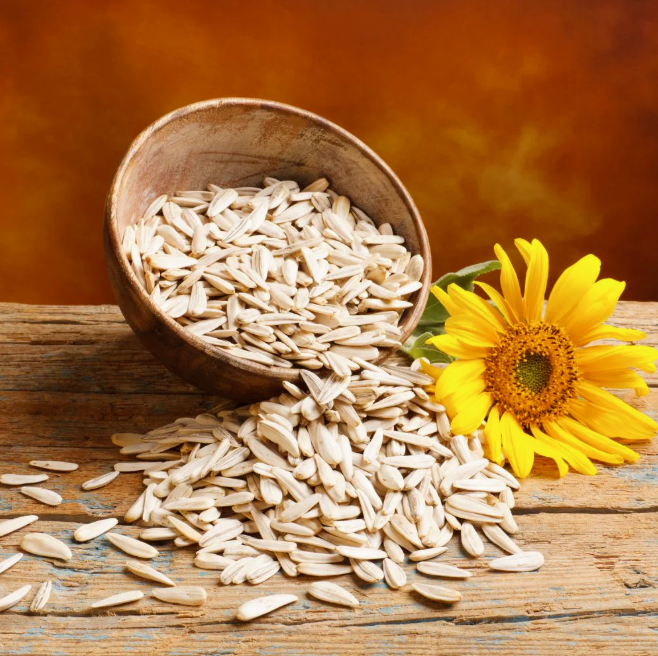
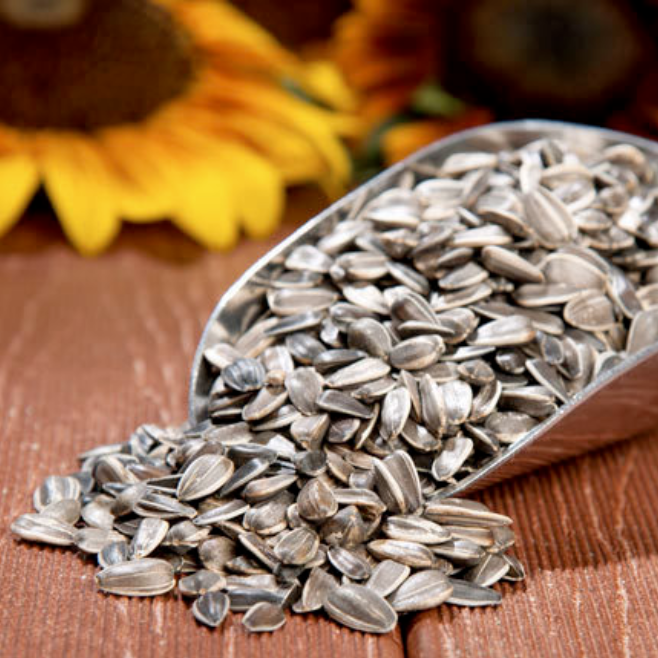
In the competitive landscape of agricultural procurement, especially in the wholesale market for sunflower seeds, making informed decisions is crucial for maximizing profit margins and ensuring product quality. At GOODLUCK, we understand the importance of avoiding pitfalls that can compromise your supply chain, lead to financial losses, or damage your reputation. This comprehensive guide delineates the most common mistakes made during wholesale sunflower seed purchases and provides actionable insights to help you navigate the market confidently.
Inadequate Supplier Vetting: The Root of Quality and Reliability Issues
One of the most critical mistakes in wholesale sunflower seed procurement is neglecting a thorough vetting process for suppliers. Many buyers fall into the trap of choosing the lowest-priced vendors without verifying their credibility, quality standards, or compliance with industry regulations.
Why Supplier Verification Matters
Quality Assurance: Reliable suppliers adhere to stringent quality control processes, reducing the risk of inferior or contaminated seeds.
Consistent Supply: Established vendors with proven track records can meet your volume demands without delays.
Compliance and Certification: Verified suppliers possess necessary certifications such as ISO, organic, or non-GMO labels, crucial for market-specific requirements.
How to Vet Suppliers Effectively
Request Samples: Always obtain and test samples before committing to a large order.
Check References: Contact previous clients to understand their experiences.
Review Certifications: Ensure the supplier complies with local and international standards.
Visit Facilities: When possible, inspect their production and storage facilities to assess hygiene and operational practices.
Assess Financial Stability: A financially secure supplier is less likely to face disruptions.
Ignoring Seed Quality and Origin: The Consequences of Poor Selection
Another critical mistake many buyers and growers make is underestimating the importance of seed quality and origin. The quality of sunflower seeds directly affects germination performance, crop uniformity, disease resistance, final yield, and overall market acceptance. Choosing low-quality or poorly sourced seeds may initially reduce procurement costs, but it often leads to significant long-term financial losses.
Understanding Seed Quality Indicators
Germination Rate: A high germination rate is essential for successful crop establishment. Quality sunflower seeds typically have a germination percentage above 85%, ensuring more uniform plant growth and reducing the need for costly replanting. Poor germination can result in uneven crop density and lower productivity.
Purity and Cleanliness: Seeds should be carefully cleaned and free from foreign materials such as dust, stones, weed seeds, damaged kernels, or plant residues. Impurities not only reduce planting efficiency but may also introduce pests or diseases into the field.
Moisture Content: Proper moisture levels are crucial for safe storage and transportation. Seeds with excessive moisture are more vulnerable to mold growth, fungal contamination, and spoilage during storage. Well-dried sunflower seeds maintain better viability and shelf life.
Genetic Traits and Performance: Different sunflower seed varieties offer unique characteristics, including oil content, kernel size, drought tolerance, disease resistance, and maturity period. Selecting seeds with the right genetic traits helps growers meet specific production goals and market requirements.
The Significance of Seed Origin
Regional Adaptation and Climate Compatibility: Seeds developed or produced in regions with similar soil types and climate conditions often perform better when planted locally. Choosing regionally adapted varieties can improve crop resilience, yield stability, and resistance to environmental stress.
Traceability and Product Authenticity: Understanding the origin of sunflower seeds helps ensure transparency throughout the supply chain. Reliable traceability systems reduce the risk of counterfeit, mislabeled, or low-grade products entering the market and provide buyers with greater confidence in product quality.
Compliance With Market Requirements: Many international buyers and food manufacturers prefer sunflower seeds sourced from regions known for premium quality, sustainable farming, or organic production standards. Seed origin can therefore influence export opportunities and customer trust.
Reputation and Consumer Confidence: In competitive food and agricultural markets, buyers increasingly value transparency regarding sourcing practices. Clearly documented seed origins can strengthen brand credibility and improve relationships with distributors and consumers.
Best Practices for Selecting High-Quality Seeds
Request a Detailed Certificate of Analysis (COA): A COA provides essential technical information, including germination rate, purity level, moisture content, and contamination testing results. Reviewing these reports helps buyers verify seed quality before purchasing.
Work With Agronomists or Seed Specialists: Consulting agricultural experts can help identify the most suitable seed varieties based on local growing conditions, disease pressures, and intended market applications.
Choose Certified Organic or Non-GMO Seeds When Necessary
If your target market demands organic, non-GMO, or specialty agricultural products, selecting properly certified seeds is essential for regulatory compliance and market acceptance.
Prioritize Suppliers Offering Full Traceability: Reliable suppliers should provide documentation regarding seed origin, production methods, processing standards, and quality control procedures. Transparent suppliers are generally more dependable long-term partners.
Conduct Small-Scale Trial Plantings: Before committing to large-volume purchases, testing seed performance through trial planting can help evaluate germination, adaptability, and yield potential under local conditions.
By prioritizing seed quality and understanding the importance of origin, businesses can minimize production risks, improve crop performance, and strengthen their competitiveness in both domestic and international sunflower seed markets.
Failure to Understand Market Trends and Demand Dynamics
One of the most common mistakes buyers make when sourcing sunflower seeds is focusing only on current pricing while overlooking broader market trends, seasonal cycles, and future demand patterns. Although purchasing at a low price may appear cost-effective in the short term, failing to evaluate the market environment can lead to excess inventory, reduced profitability, and missed sales opportunities.
Risks of Ignoring Market Dynamics
Overstocking and Inventory Pressure: Purchasing large volumes during periods of weak demand can create unnecessary storage costs and cash flow pressure. Sunflower seeds require proper storage conditions to maintain freshness and quality, and prolonged storage may increase the risk of spoilage, quality degradation, or inventory losses.
Price Volatility and Market Uncertainty: Sunflower seed prices are influenced by multiple factors, including harvest yields, weather conditions, transportation costs, export regulations, and geopolitical events. Buyers who fail to track these variables may purchase at unfavorable times or struggle with sudden market fluctuations that reduce profit margins.
Changing Consumer Preferences: Consumer demand continues to evolve, especially in the food and snack industries. Increasing interest in organic, non-GMO, high-protein, and specialty sunflower seed products means that traditional purchasing strategies may no longer meet market expectations. Ignoring these trends can result in products that are difficult to sell in competitive markets.
Supply Chain Disruptions: Global supply chains can be affected by shipping delays, trade restrictions, or raw material shortages. Businesses that do not monitor industry developments may face supply interruptions or increased procurement costs during peak seasons.
Strategies to Align Purchases with Market Trends
Conduct Continuous Market Research: Regularly analyze consumer behavior, retail trends, and competitor offerings to understand which sunflower seed products are gaining popularity. Staying informed allows businesses to make more accurate purchasing decisions and respond quickly to changing market conditions.
Monitor Seasonal Pricing Patterns: Sunflower seed prices often fluctuate based on harvest seasons and regional supply availability. Planning purchases strategically during periods of stable supply can help reduce procurement costs and improve inventory management.
Build Strong Relationships with Buyers and Distributors: Maintaining close communication with distributors, retailers, and end buyers helps businesses better forecast demand and avoid unnecessary over-purchasing. Long-term partnerships can also provide valuable insights into upcoming market trends.
Diversify Product and Seed Varieties: Offering multiple sunflower seed varieties, such as organic, hulled, roasted, bird feed, or confectionery-grade seeds, helps businesses reach broader customer segments and reduce dependence on a single market category.
Use Data-Driven Forecasting: Leveraging sales data, historical purchasing trends, and market analytics can improve demand forecasting accuracy and minimize procurement risks. Businesses that combine data analysis with market intelligence are better positioned to maintain stable profits and inventory levels.
By understanding market trends and demand dynamics, sunflower seed buyers can make more informed procurement decisions, reduce financial risks, and improve long-term competitiveness in the global market.
Neglecting Storage and Handling Conditions
Purchasing high-quality sunflower seeds is futile if they are not stored or handled properly, leading to spoilage, pest infestation, or loss of viability.
Proper Storage Practices
Temperature Control: Maintain cool, dry environments to prevent mold and deterioration.
Humidity Management: Keep humidity levels below 65% to inhibit mold growth.
Ventilation: Ensure good airflow to prevent condensation.
Pest Control: Implement strict measures against insects and rodents.
Segregation: Store different seed batches separately to prevent cross-contamination.
Handling Tips
Use clean, dry equipment when transferring seeds.
Minimize physical damage during transportation.
Regularly inspect storage facilities for signs of spoilage or pests.
Overlooking Contract Terms and Payment Conditions
Many buyers rush into transactions without thoroughly reviewing contractual terms, leading to disputes, delays, or unfavorable conditions.
Key Contract Considerations
Payment Terms: Clarify deposits, payment schedules, and acceptable payment methods.
Delivery Schedules: Specify delivery timelines, freight responsibilities, and penalties for delays.
Quality Specifications: Clearly define quality standards, inspection procedures, and acceptance criteria.
Return and Refund Policies: Establish procedures for defective or non-compliant seeds.
Liability and Insurance: Address liability issues related to damage or loss during transit.
Best Practices
Always negotiate and review contracts with legal counsel if necessary.
Insist on detailed quality and quantity specifications.
Use letter of credit or escrow services for large transactions to safeguard payments.
Failure to Establish Long-Term Relationships with Suppliers
Focusing solely on one-off transactions can lead to inconsistent supply and higher costs over time.
Benefits of Building Long-Term Partnerships
Better Pricing: Loyal customers often receive discounts or favorable terms.
Priority Service: Established relationships ensure priority during high-demand periods.
Enhanced Communication: Long-term partners understand your specific needs.
Shared Innovation: Collaborate on seed improvements or new varieties.
How to Foster Strong Supplier Relationships
Maintain transparent and timely communication.
Honor contractual commitments.
Provide feedback for continuous improvement.
Explore joint ventures or exclusive agreements.
Final Recommendations for Successful Wholesale Sunflower Seed Purchasing
Prioritize quality over cost: While price is important, the long-term benefits of high-quality seeds outweigh initial savings.
Conduct comprehensive due diligence: Vet suppliers thoroughly and verify certifications.
Stay informed about market conditions: Adapt procurement strategies to current trends.
Implement robust storage and handling protocols: Protect your investment.
Negotiate clear, detailed contracts: Minimize risks and ambiguities.
Cultivate strong supplier relationships: Ensure reliable supply chains and better terms.
Why Choose GOODLUCK for Your Sunflower Seeds Wholesale Needs?
At GOODLUCK, we are committed to providing premium-quality sunflower seeds that meet the highest standards of purity, germination, and traceability. Our rigorous vetting process, extensive certifications, and dedication to customer satisfaction make us the trusted partner for businesses seeking reliable wholesale sunflower seed supplies. We understand the nuances of the market, continuously adapt to emerging trends, and prioritize building long-term relationships with our clients.
Partner with GOODLUCK today to experience seamless procurement, exceptional product quality, and unmatched customer service. Avoid common pitfalls, make informed decisions, and elevate your business with our premium sunflower seeds.
For inquiries, quotes, or detailed product catalogues, please visit our website or contact our dedicated sales team. Let GOODLUCK be your trusted partner in wholesale sunflower seed procurement.
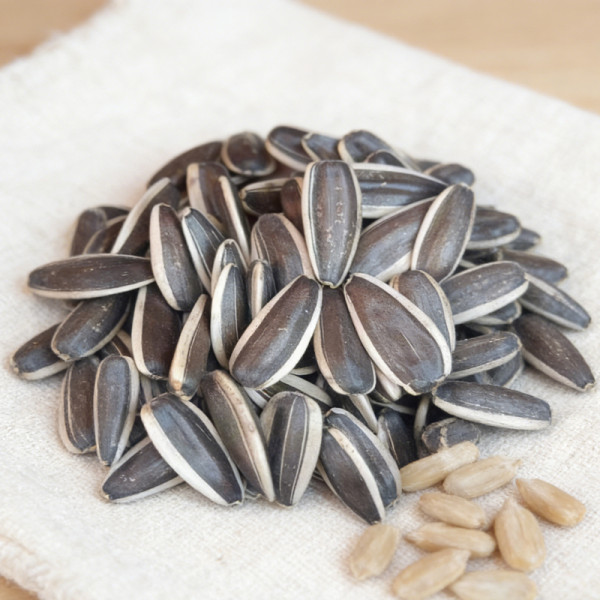
Premium 361 Sunflower Seeds, plump and tasty. Factory-direct wholesale. Stable supply, competitive price.
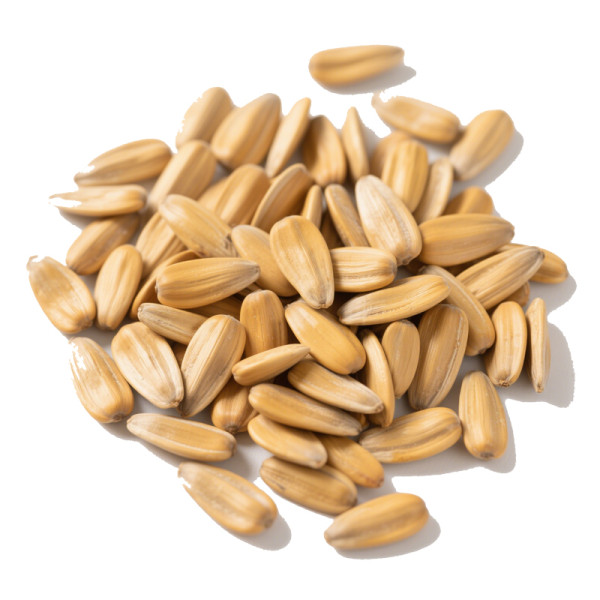
White Sunflower Seeds Health Benefits are numerous. Rich in vitamins, minerals, and antioxidants, they support heart health.
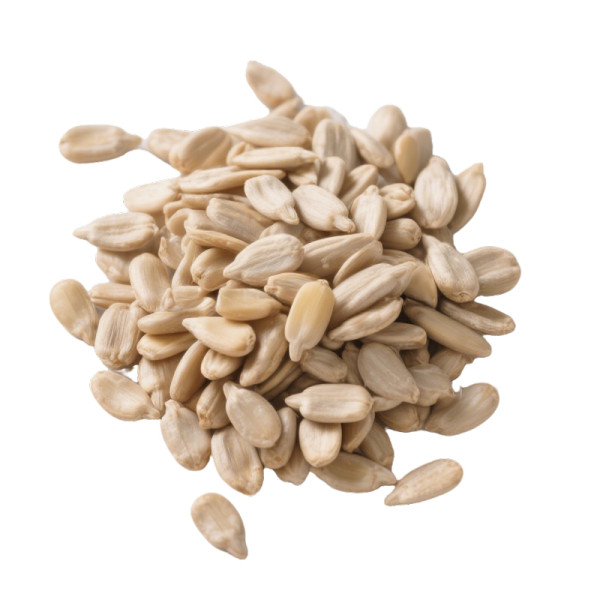
Wholesale Sunflower Seed Kernels Benefits are numerous and well-documented. These kernels are packed with essential nutrients,.
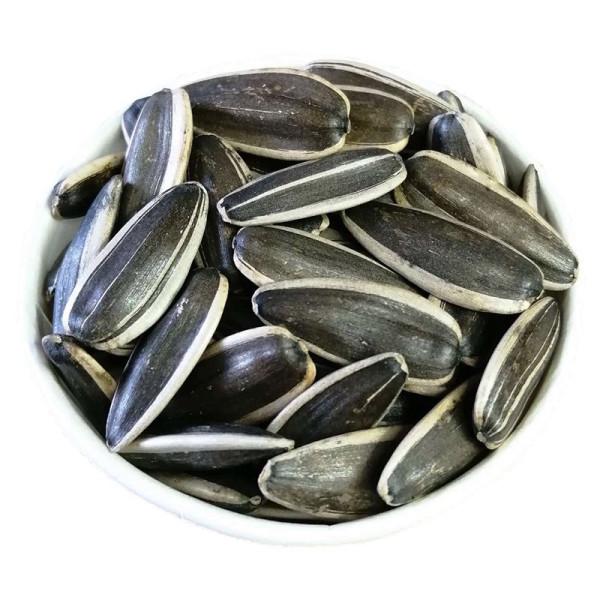
Edible Sunflower Seeds: Nutritious Snack for Healthy Eating | Rich in Protein, Vitamins | Perfect for Weight Loss & Diet Plans