10 Effective Strategies for Finding the Best Bean Wholesale Supplier
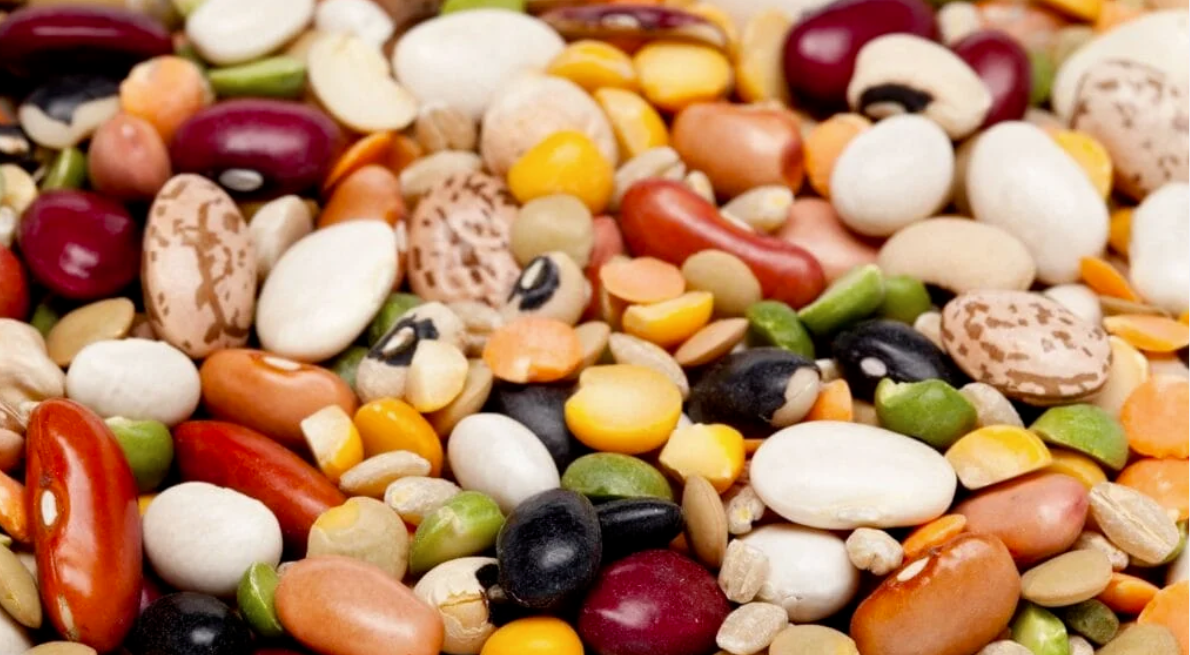
In today's highly competitive food and agriculture industry, finding reliable, high-quality bean wholesale suppliers is crucial for businesses pursuing sustainable development and growth. Whether you are a retailer, distributor, or food manufacturer, the foundation of success lies in sourcing the highest quality beans from trusted suppliers at competitive prices. At GOODLUCK, we understand the importance of carefully selecting suppliers. In this guide, we present 10 proven strategies to help you identify, evaluate, and build relationships with top-tier bean wholesale suppliers.
1. Conduct In-Depth Market Research and Industry Analysis
The first step in finding the best bean wholesale suppliers is conducting comprehensive market research. This includes analyzing current industry trends, understanding global and local supply dynamics, and identifying key players in the bean supply chain.
Importance:
Learn about market demand and price fluctuations
Identify emerging suppliers and regions with a competitive advantage
Understand the regulatory and quality standards influencing bean sourcing
Implementation Methods:
Refer to industry reports from authoritative organizations such as the USDA, FAO, and industry associations.
Connect with suppliers by attending trade shows, agricultural expos, and industry fairs.
Build a list of potential suppliers using online B2B marketplaces and directory platforms.
At GOODLUCK, we leverage extensive market intelligence to guide our sourcing strategies, ensuring our clients access the most reliable and cost-effective bean suppliers.
2. Evaluate Supplier Qualifications and Certifications
The reputation of a wholesale supplier is reflected in its qualifications and certifications. These qualifications and certifications demonstrate their compliance with quality, safety, and environmental standards.
Key Certifications to Focus On:
GlobalGAP – Ensures Good Agricultural Practices
ISO 9001 – Proof of a Quality Management System
Organic Certification – Applicable to Organic Bean Sourcing
Fair Trade Certification – Demonstrates Ethical Sourcing Practices
Importance of this:
Guarantees compliance with international standards
Reduces risks associated with contamination, spoilage, or fraud
Builds trust and transparency in your supply chain
How to Verify:
Obtain an official copy of the certificate
Cross-check with certification bodies
On-site audits of supplier facilities, if possible.
GOODLUCK prioritizes working with certified suppliers to ensure our partners' products meet the highest standards.
3. Assess Supplier Production Capacity and Scalability
Understanding a supplier's production capacity is crucial to ensuring they can meet your current and future needs.
Factors to consider include:
Annual production capacity
Delivery cycle and schedule
Flexibility in scaling operations during peak seasons or growth phases
Importance:
Preventing supply shortages or delays
Facilitating the planning of large or cyclical orders
Ensuring a stable product supply.
How to assess:
Request detailed production reports and capacity data
Discuss contingency plans for unexpected disruptions
Conduct firsthand assessments by visiting the supplier's processing and warehousing facilities.
At GOODLUCK, we only partner with suppliers who demonstrate strong capacity and a reliable delivery track record, ensuring a seamless supply chain operation for our customers.
4. Prioritize Quality Control and Product Testing
The quality of your beans directly impacts your brand reputation and customer satisfaction. Therefore, rigorous quality control measures are non-negotiable.
Key Quality Parameters:
Moisture Content
Foreign Objects and Debris
Dimensional Uniformity
Defect Rate
Taste and Aroma Characteristics
Importance:
Ensuring compliance with food safety standards
Reducing returns, complaints, and liability
Maintaining product consistency and customer loyalty
How to Implement:
Request certified laboratory test reports
Conduct sampling inspections before large orders
Establish quality assurance agreements with suppliers
GOODLUCK emphasizes strict quality standards and only partners with suppliers who can provide comprehensive testing and certification reports to ensure superior product quality.
5. Analyze Pricing Structure and Payment Terms
Competitive pricing is crucial for maintaining profitability and market competitiveness. However, cost must never come at the expense of quality.
Analysis Content:
Unit price and bulk discounts
Shipping and handling costs
Payment methods (e.g., net payment, letter of credit, prepayment)
Additional costs (inspection fees, certification fees, etc.)
Importance:
Facilitates effective budgeting and financial planning
Facilitates negotiating favorable terms
Ensures transparency and avoids hidden costs
How to Negotiate:
Leverage bulk purchasing power
Discuss flexible payment methods
Seek incentives for long-term partnerships
At GOODLUCK, we negotiate optimal pricing structures that balance quality with affordability and build mutually beneficial relationships with suppliers.
6. Conduct Supplier Due Diligence and Reputation Checks
A supplier's reputation reflects their reliability, integrity, and business conduct.
Key Steps:
Review online reviews and user testimonials
Review testimonials from other customers
Investigate any existing legal disputes or compliance issues.
Assess their responsiveness and customer service quality.
Importance:
Reduces the risk of supply chain disruptions
Ensuring compliance with ethical and legal standards
Laying the foundation for long-term cooperation
Steps:
Request a list of references and case studies
Communicate with industry peers and obtain feedback
Conduct background checks through industry associations or chambers of commerce
GOODLUCK adheres to a rigorous screening process, selecting suppliers with a strong track record and excellent reputation in the industry.
7. Assess Logistics, Transportation, and Supply Chain Reliability
Efficient logistics is crucial for maintaining the freshness and quality of beans from farm to warehouse.
Key Factors:
Delivery methods and transit times
Freight costs and duties
Customs clearance procedures
Storage and handling capacity
Importance:
Minimize delays and losses
Reduce overall supply chain costs
Ensure on-time delivery, aligned with your sales cycle.
How to Optimize:
Partner with suppliers who have established logistics networks
Utilize technology for real-time shipment tracking
Develop contingency plans for logistical disruptions
At GOODLUCK, we partner with logistics providers specializing in agricultural product transportation to ensure your beans arrive on time and in good condition.
8. Build Strong Communication and Strategic Partnerships
Building strong relationships with wholesale suppliers increases transparency, trust, and mutual growth.
Best Practices:
Communicate regularly via phone, email, and meetings.
Clearly articulate expectations and requirements.
Collaborate on problem-solving and feedback loops.
Share common goals in quality, sustainability, and innovation.
Importance:
Facilitates rapid problem resolution.
Encourages supplier commitment and loyalty.
Creates opportunities for joint development and innovation.
How to Cultivate:
Establish key customer management contacts.
Use CRM tools to track interactions.
Hold regular review meetings.
GOODLUCK believes that strategic partnerships drive continuous improvement and mutual success.
9. Implement Continuous Monitoring and Quality Assurance
Procurement is an ongoing process, and continuous monitoring ensures consistent quality and reliability.
Strategies include:
Regular supplier audits and inspections
Tracking key performance indicators (KPIs), such as delivery accuracy, quality metrics, and response time
Soliciting customer feedback on bean quality and supply stability
Stay informed about industry regulations and standards
Importance:
Maintaining consistently high standards
Identifying early warning signs of potential problems
Supporting continuous improvement initiatives
How to implement:
Developing scorecards and reporting systems
Holding regular review meetings with suppliers
Closely monitoring industry trends and best practices
At GOODLUCK, we integrate continuous improvement into our procurement model to ensure our customers always receive the best coffee beans from trustworthy, compliant suppliers.
10. Leveraging Technology and Digital Platforms for Procurement
Modern procurement relies heavily on digital tools to streamline supplier discovery, communication, and transaction management.
Key Platforms:
B2B Marketplaces (Alibaba, Global Sources)
Supply Chain Management Software (SAP, Oracle)
Quality Assurance Platforms (IQMS, ETQ)
Data Analytics Tools for Market Insights
Benefits:
Accelerate supplier identification and auditing processes
Enhanced transparency and traceability
Easy and efficient ordering and inventory management
How to Maximize Utilization:
Integrate digital tools into your procurement workflow
Use data analytics to predict market trends and supplier performance
Maintain electronic records for auditing and compliance
GOODLUCK leverages cutting-edge technology to optimize procurement strategies, ensuring our clients remain at the forefront of the competitive soybean market.
Conclusion
Finding the best soybean wholesale suppliers is a multifaceted process requiring careful investigation, strategic planning, and ongoing management. By implementing the following 10 effective strategies, your business can build a strong, reliable, and high-quality supply chain to support business growth, profitability, and customer satisfaction.
At GOODLUCK, we are committed to providing you with the insights, partnerships, and standards needed to stand out in the soybean sourcing industry. Partner with us to get the highest quality beans, highly competitive prices, and unparalleled service.
Contact GOODLUCK today to learn more about our sourcing solutions and how we can help you succeed in the competitive wholesale beans market.
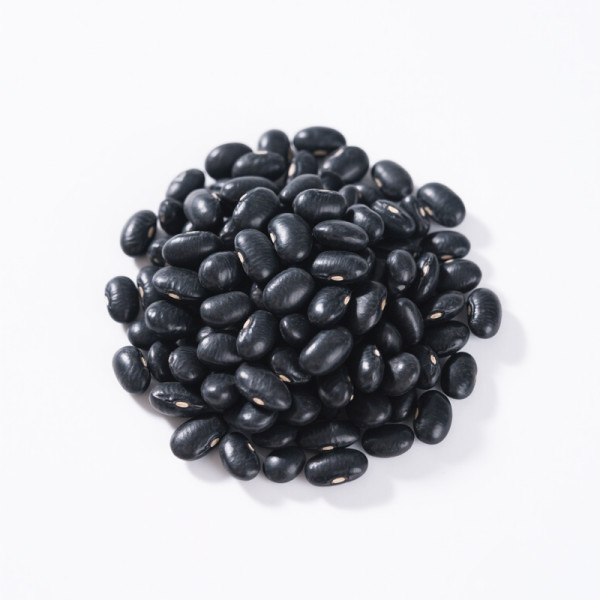
Organic Wholesale Black Beans Bulk: Anthocyanin-Rich, 25kg Resealable Bags for Vegan Food Production & Global Distributors.
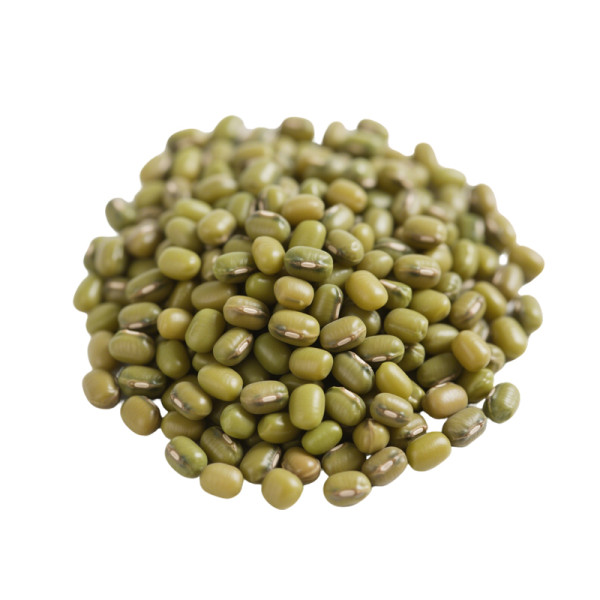
Premium Wholesale Mung Beans: Non-GMO, High-Protein 24%, Bulk 25kg B2B Supply for Global Food Manufacturing
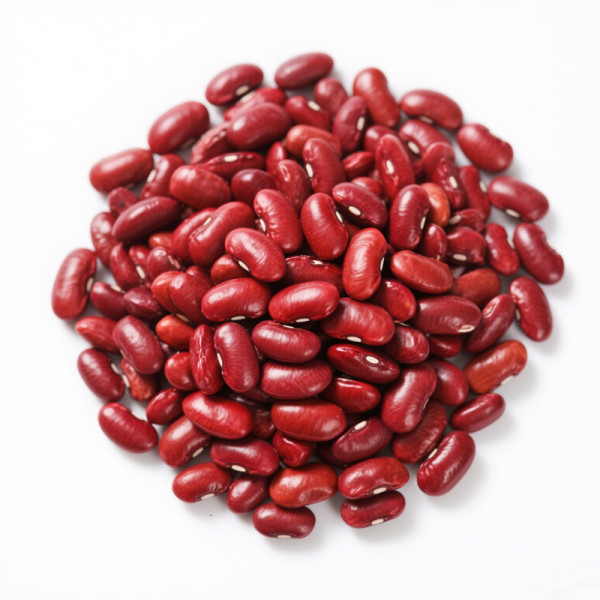
Certified Wholesale Red Beans: Organic, Non-GMO, High Protein Bulk Supply for Food Manufacturers & Global Exporters.
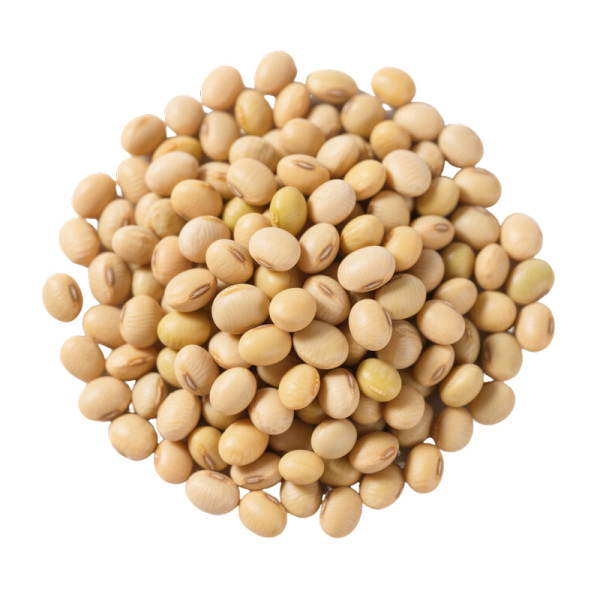
Supply premium non-GMO soybeans with 42% protein content for animal feed and food production.