2026 Wholesale Beans Trends That Will Transform Your Business
As the global food industry undergoes rapid evolution, the wholesale Beans market stands at the forefront of this transformation. In 2026, heightened consumer health consciousness, growing emphasis on sustainability, technological advancements, and shifts in the global trade landscape are all poised to drive significant changes within the market. GOODLUCK is dedicated to providing unique insights into these emerging trends, empowering your business to adapt, innovate, and thrive amidst a highly competitive market environment.
Growing Demand for Beans: A Global Perspective
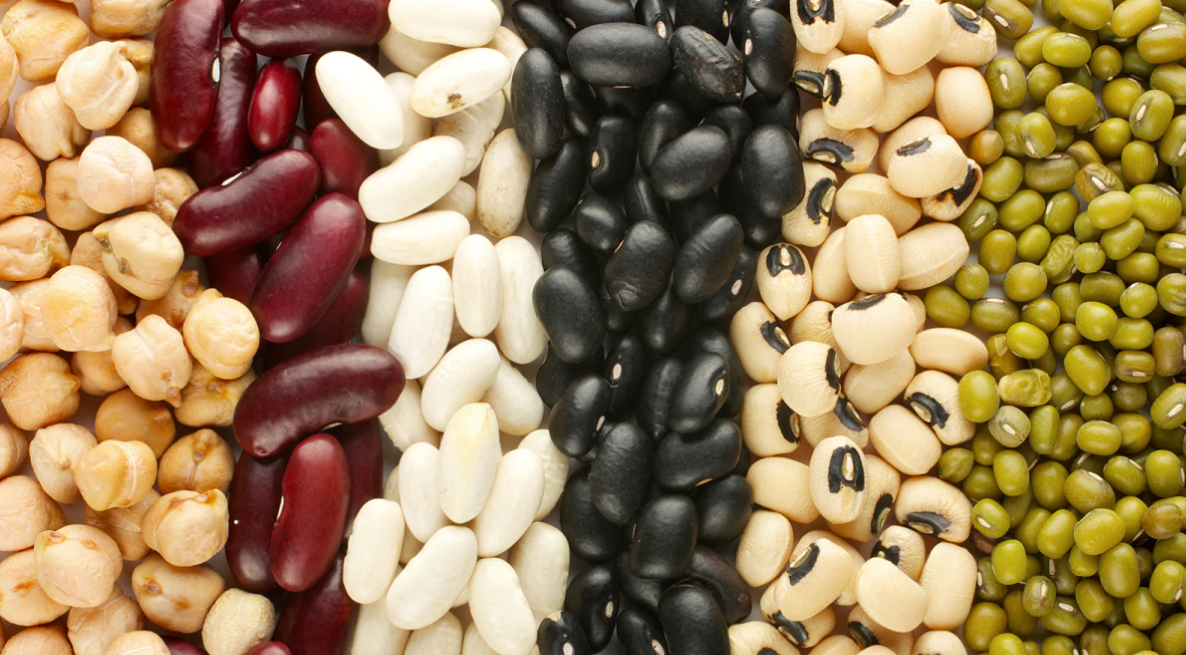
The global Beans market is experiencing exponential growth, driven primarily by increasing awareness regarding the health benefits, environmental sustainability, and culinary versatility of Beans. Consumers worldwide are shifting toward plant-based diets, making Beans—such as chickpeas, lentils, beans, and peas—essential ingredients in both home and commercial kitchens.
By 2026, demand for organic and sustainably sourced Beans is expected to surge, as consumers increasingly seek transparency and authenticity from their suppliers. This trend is particularly pronounced in North America, Europe, and Asia, where plant-based nutrition has become an integral part of dietary habits.
Health Benefits Drive Market Expansion
Beans are renowned for their rich nutritional profile. They are abundant in plant-based protein, dietary fiber, essential vitamins, and minerals such as iron, potassium, and magnesium. As more consumers prioritize healthy eating, Beans are finding increasingly widespread application in nutritious meal plans and functional food products.
Furthermore, Beans promote heart health, aid digestion, and help regulate blood sugar levels, making them a preferred ingredient for health-conscious individuals. These benefits appeal not only to individual consumers but also to numerous food manufacturers seeking to develop healthy ready-to-eat meals, snacks, and plant-based food products.
Sustainability Drives Consumer Choices
Environmental concerns constitute another major factor driving global demand for Beans. Compared to animal-based protein sources, Beans require less water and land, and generate significantly lower greenhouse gas emissions.
Moreover, bean crops enhance soil fertility through nitrogen fixation, establishing them as an eco-friendly crop that contributes to the advancement of sustainable agriculture. As sustainability becomes a core procurement criterion, food companies are placing greater emphasis on Beans crops, incorporating them as key ingredients in their environmentally conscious product lines.
Expanding Applications in the Food Industry
Beans are no longer confined to traditional dishes. Today, they are widely incorporated into a diverse range of innovative food products, including:
Plant-based meat alternatives
- Protein-rich snacks
- Ready-to-eat meal kits
- Soups, sauces, and spreads
- Gluten-free and vegan baked goods
Food processors and manufacturers rely heavily on wholesale Beans to ensure consistent quality, a stable supply, and cost-effective production.
Key Growth Drivers for the Beans Market in 2026
1. Health and Wellness Trends
The rising global prevalence of chronic diseases—such as diabetes, obesity, and cardiovascular disease—has prompted consumers to adopt healthier dietary habits. Consequently, natural, nutrient-dense foods that undergo minimal processing are gaining significant traction.
Due to their exceptional nutritional profile, Beans have become an integral component of modern healthy diets. They are naturally rich in plant-based protein, dietary fiber, complex carbohydrates, and essential micronutrients such as iron, folate, and potassium. These nutrients contribute to improved digestion, sustained energy levels, and metabolic health.
Furthermore, Beans play a vital role in weight management and blood sugar regulation, thanks to their relatively low glycemic index and their ability to promote a longer-lasting sense of satiety. As awareness of these benefits continues to grow, nutritionists and health organizations worldwide are increasingly recommending the inclusion of Beans in a balanced daily diet. Consequently, demand for Beans—from both retail consumers and food manufacturers—is projected to experience significant growth by 2026.
2. Sustainability and Environmental Impact
Sustainability has emerged as a critical focal point for both consumers and businesses across the global food industry. Beans crops stand out as some of the most environmentally friendly agricultural crops due to their unique nitrogen-fixing capabilities. These crops are able to convert atmospheric nitrogen into a form usable by plants, thereby naturally enriching soil fertility and reducing the need for synthetic fertilizers.
This agricultural advantage contributes to improved soil ecosystems, reduced greenhouse gas emissions, and the promotion of more sustainable farming practices. Moreover, compared to animal protein production, Beans crops require fewer water and land resources, making them a highly efficient and eco-friendly food source.
As governments, organizations, and consumers increasingly champion sustainable agriculture, companies that prioritize the sourcing of responsibly produced Beans will enhance their brand image and earn greater trust among environmentally conscious buyers. Technological Innovation in
3. Cultivation and Processing
The rapid advancement of agricultural technology is transforming the way Beans crops are cultivated, harvested, and processed. Precision agriculture technologies—including satellite monitoring, data-driven irrigation systems, and AI-powered crop management—enable farmers to optimize growing conditions and maximize yields.
Meanwhile, biotechnology and improved seed varieties are enhancing crop resilience against pests, diseases, and climate change. These innovations help ensure a more stable and reliable supply of high-quality Beans for the global market.
In terms of processing and packaging, new technologies are improving sorting accuracy, product quality consistency, and shelf life. Advanced cleaning, grading, and packaging systems also enable wholesalers to supply Beans products that meet rigorous international food safety standards. These developments are expected to boost efficiency across the entire supply chain and reduce operational costs for producers and distributors.
Evolving Consumer Preferences and Culinary Trends
Changing dietary preferences are a key driver behind the growing demand for Beans. As consumers explore global cuisines and diversify their eating habits, Beans-based dishes are gaining increasing popularity. Traditional cuisines from regions such as the Middle East, India, and the Mediterranean frequently feature ingredients like chickpeas, lentils, and broad beans.
Concurrently, modern dietary trends—such as plant-based diets, veganism, and gluten-free cooking—are further accelerating the integration of Beans into daily meals. Food manufacturers are incorporating Beans into a wide range of innovative products, including plant-protein snacks, ready-to-eat meals, hummus, soups, sauces, and meat substitutes.
Consumers are also placing a growing emphasis on convenience, authenticity, and flavor. This shift has prompted wholesalers and suppliers to expand their product lines to include pre-cooked Beans, organic varieties, specialty beans, and regional culinary staples. By catering to these evolving consumer preferences, suppliers can seize new market opportunities and forge long-term partnerships with foodservice providers, retailers, and food processors.
Beans Market Segmentation and Consumer Preferences in 2026
1. Organic and Non-GMO Beans
Driven by consumer demand for "clean label" products, the organic segment is expected to take a leading position. Wholesalers must prioritize sourcing certified organic Beans to meet this demand.
2. Ready-to-Eat and Convenient Packaging Formats
The convenience food sector is actively promoting pre-prepared, ready-to-eat, and snack-style Beans products. This shift caters to busy lifestyles and the urban market's demand for quick, nutritious food options.
3. Specialty and Ethnic Beans
Interest in rare, heirloom, and ethnic specialty beans—such as black beans, mung beans, and red beans—continues to grow. These products are highly prized by gourmets and enthusiasts of ethnic cuisine, creating new revenue streams for wholesalers.
4. Packaging Innovations
Sustainable packaging, resealable pouches, and minimalist designs are gradually becoming industry standards. These innovations help enhance product freshness, convenience, and brand differentiation.
2026 Supply Chain and Sourcing Strategies
1. Diversifying Sourcing
To mitigate risks stemming from climate change, geopolitical tensions, and crop failures, wholesalers must diversify their sourcing networks across multiple regions, including North America, South America, Africa, and Asia.
2. Building Sustainable Partnerships
Collaborating with certified organic farmers, cooperatives, and fair trade organizations will ensure that traceability, quality, and ethical standards are upheld, thereby meeting consumer expectations.
3. Investing in Technology for Supply Chain Transparency
Blockchain and digital traceability platforms will become essential tools for verifying the origin of beans, ensuring quality assurance, and confirming ethical compliance.
4. Embracing Local and Regenerative Agriculture
Supporting local farmers and regenerative farming practices not only reduces the carbon footprint but also enhances product freshness and brand reputation.
2026 Market Entry Strategies
1. Focusing on Niche Markets and Ethnic Cuisine
For new entrants to the bean industry, targeting niche segments—such as premium health foods, organic products, and ethnic cuisine—can create valuable opportunities for differentiation. Consumers in these segments are often willing to pay a premium for authentic, high-quality products with unique flavor profiles.
Ethnic cuisines—particularly those from the Middle East, India, Latin America, and the Mediterranean—feature beans as staple ingredients in dishes such as hummus, lentil soup, falafel, and stewed beans. By offering regionally specific varieties, specialty beans, or organic and minimally processed options, suppliers can attract restaurants, specialty food retailers, and premium product brands seeking authentic ingredients.
2. Leveraging E-commerce and Direct-to-Consumer (DTC) Models
Digital commerce platforms are transforming the way food reaches consumers. By leveraging e-commerce platforms, branded online stores, and subscription services, bean suppliers can extend their market reach beyond traditional wholesale distribution channels.
The Direct-to-Consumer (DTC) model also enables businesses to forge stronger relationships with customers, gather valuable purchasing data, and gain deeper insights into evolving consumer preferences. Through online marketing, storytelling focused on sourcing and sustainability, and the provision of convenient delivery options, companies can cultivate a loyal customer base while simultaneously boosting brand awareness.
3. Developing Private Label and Co-branding Opportunities
Private labeling and co-branding partnerships represent effective strategies for bean suppliers to expand their market share and diversify revenue streams. Many retailers and food service providers show a preference for private label products, as this grants them greater control over branding, pricing strategies, and product positioning.
By offering customizable packaging, consistent product quality, and flexible supply solutions, wholesalers can position themselves as trusted production partners for supermarkets, restaurants, and specialty food brands. Co-branding initiatives also serve to enhance brand credibility while opening up new distribution channels and fostering long-term business relationships.
Conclusion: Preparing for the Transformation of the Bean Market in 2026
The wholesale bean industry is currently riding a wave of unprecedented growth and innovation. Businesses that proactively embrace market insights, sustainable practices, and technological advancements will gain a distinct competitive edge in 2026 and beyond.
At GOODLUCK, we are committed to driving this transformation—providing premium products and supporting your strategic growth. The future of the bean industry is bright, and those businesses capable of rapidly adapting to market shifts are poised to reap the rewards of this dynamic and ever-expanding market.
Partner with GOODLUCK today to transform your business—your trusted source for premium wholesale beans, innovative solutions, and market expertise.
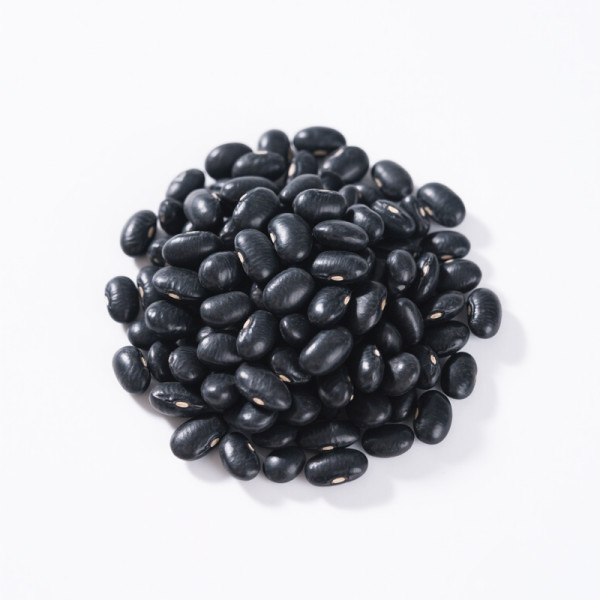
Organic Wholesale Black Beans Bulk: Anthocyanin-Rich, 25kg Resealable Bags for Vegan Food Production & Global Distributors.
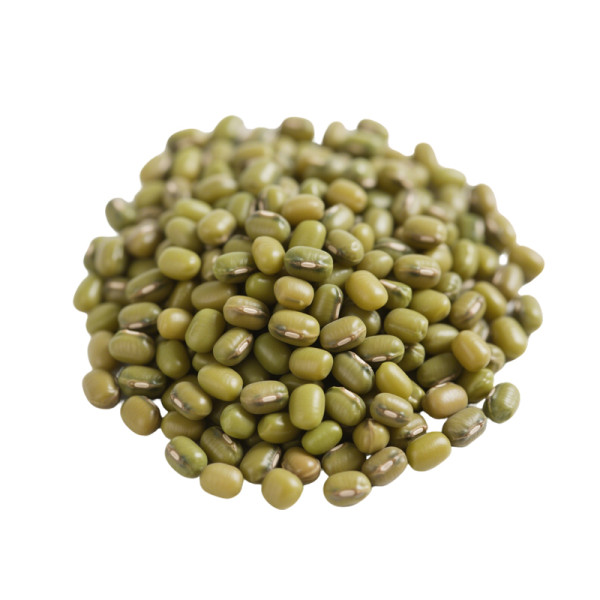
Premium Wholesale Mung Beans: Non-GMO, High-Protein 24%, Bulk 25kg B2B Supply for Global Food Manufacturing
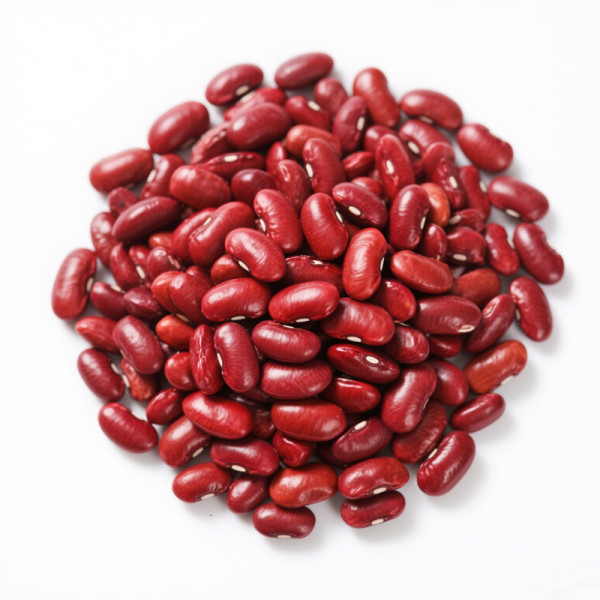
Certified Wholesale Red Beans: Organic, Non-GMO, High Protein Bulk Supply for Food Manufacturers & Global Exporters.
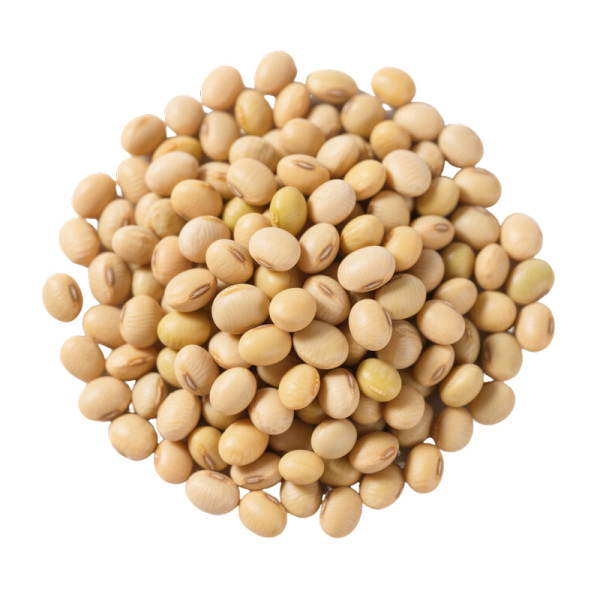
Supply premium non-GMO soybeans with 42% protein content for animal feed and food production.